
Ceramic Antenna Industry Forum
Ceramic Antenna Industry Forum
Aibang 8th Precision Ceramic Industry Chain Exhibition
August 27, 2026 · Hall 7, Shenzhen Bao'an Convention and Exhibition Center
Shenzhen | August 27, 2026
Conference Background
A ceramic antenna is a miniaturized antenna that utilizes a ceramic dielectric. They are categorized by shape—such as block-type and multilayer ceramic antennas—and by application scenario, including RFID, GNSS/GPS navigation, Bluetooth, 5G, and microwave dielectric/dielectric resonator antennas (DRA). Additionally, there are surface-mount (SMD/chip) ceramic antennas, embedded ceramic antennas, and ceramic LDS antennas.
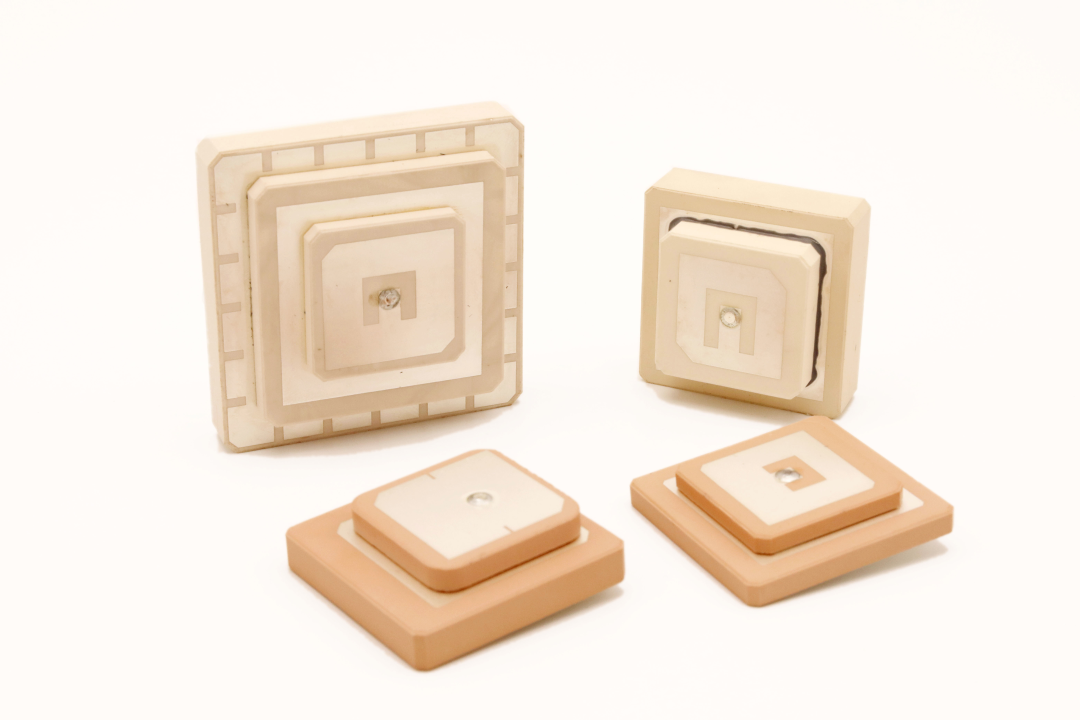
Ceramic antennas primarily utilize materials characterized by high dielectric constants and low loss—such as alumina and aluminum nitride ceramic powders; dielectric materials like calcium magnesium titanate, magnesium titanate, barium titanate, titanium dioxide, and lead zirconate titanate (PZT); and LTCC ceramic powders. They offer advantages such as anti-interference capabilities, resistance to water and dust, compact size, and lightning protection; their volume is just one-sixth that of traditional metal or PCB antennas. Additionally, they are resistant to high temperatures and corrosion, while the ceramic housing provides shielding against external electromagnetic interference.
The ceramic antenna market is experiencing rapid growth, driven largely by the demand for miniaturization in the Internet of Things (IoT), smart wearables, and consumer electronics; approximately 68% of compact wireless devices now employ ceramic antennas. The market is dominated by GNSS, Bluetooth, and Wi-Fi applications, with key trends focusing on higher integration (System-in-Package, or SiP) and further miniaturization to accommodate 5G and higher frequency bands.
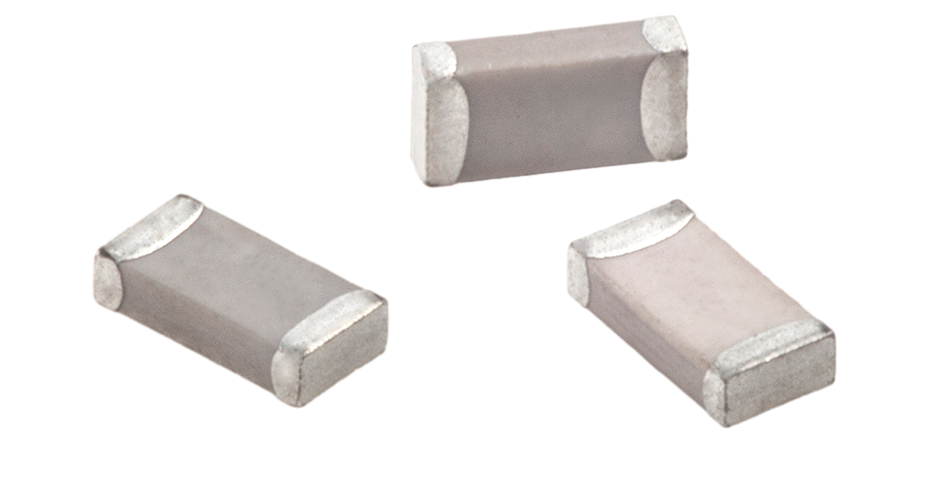
Different types of ceramic antennas employ distinct manufacturing processes. Block-type ceramic antennas utilize high-temperature co-firing technology, involving the high-temperature sintering of a solid ceramic body followed by the printing of metal conductors onto its surface. Multilayer ceramic antennas utilize Low-Temperature Co-fired Ceramic (LTCC) technology; by stacking ceramic dielectric layers and printing metal conductors on each layer, this method effectively reduces size and allows for antenna concealment.
Ceramic antennas are primarily used in short-range data transmission scenarios—such as Bluetooth devices, IoT data transmission, smart control systems, and GPS navigation—and are suitable for high-frequency bands like 2.4 GHz. They offer features such as interference resistance, water resistance, and dust resistance. As core components of wireless communication systems, ceramic antennas—characterized by high dielectric constants, low loss, temperature stability, and miniaturization—are increasingly being adopted in emerging sectors like smartphones, IoT devices, autonomous driving, and satellite internet. With the commercialization of 5G millimeter-wave technology, the launch of 6G R&D, and the surging demand for the "Internet of Everything," ceramic antennas face new technical challenges and market opportunities regarding high-frequency broadband capabilities, multi-frequency compatibility, MIMO systems, and integrated modules.
Industry forecasts indicate that by 2025, the market size for ceramic antennas in China will reach RMB 4.113 billion, while the global market will reach RMB 19.22 billion; the global market is projected to grow to RMB 32.047 billion by 2032. Between 2025 and 2031, the global market for ceramic chip antennas is expected to grow at a compound annual growth rate (CAGR) of over 12%, with China poised to become the world's largest market for these products.
Against this backdrop, Aibang will host the 8th Precision Ceramics Industry Chain Exhibition on August 28, 2026, at the Shenzhen World Exhibition & Convention Center (Bao'an New Hall, Hall 7). Held concurrently is the Ceramic Antenna Industry Forum, where participants will explore the latest research on high-frequency, integrated, and intelligent ceramic antennas. The event will focus on cutting-edge manufacturing technologies—such as precision machining and 3D printing—to drive the industrialization of ceramic antennas.
To connect the entire industry chain—spanning materials, components, and applications—Aibang has established a dedicated WeChat group for the ceramic antenna industry. Please scan the QR code below and add the group administrator on WeChat to join:
Proposed Topics (Including but not limited to)
Ceramic Antenna Industry Forum (August 27, 2026, 10:00–12:00) | ||
No. | Proposed Topic | Invited Guests |
1 | Technical pathways for high-frequency and wideband ceramic antennas | Ceramic antenna companies |
2 | Application opportunities for ceramic antennas in satellite internet and LEO constellations | Ceramic antenna companies |
3 | Current status of intelligent and adaptive ceramic antenna technologies | Ceramic antenna companies |
4 | Demand analysis for ceramic antennas in new energy vehicles and automotive communications | Ceramic antenna companies |
5 | Innovative development of ceramic antennas driven by IoT device miniaturization | Ceramic antenna companies |
6 | Application of 3D printing and additive manufacturing in ceramic antennas | Ceramic antenna companies |
7 | Application of high-entropy ultra-high-temperature ceramic materials in aerospace communications | Ceramic antenna companies |
8 | Development requirements for ceramic antennas in 5G/6G RF base stations | Ceramic antenna companies |
9 | Analysis of GNSS ceramic antennas | Ceramic antenna companies |
10 | Application of dielectric filter materials in ceramic antennas | Ceramic antenna companies |
For inquiries regarding further innovative presentations, please contact Ms. Li at 18823755657 (also her WeChat ID).
Registration Methods
Method 1: Register by adding the WeChat contact and sending your business card.
Phone: Ms. Li 18823755657 (also WeChat)
Email: lirongrong@aibang.com

Scan the QR code to add on WeChat and inquire about conference details.
Note: Each attendee must provide their information.
Method 2: Long-press the QR code to register online.

Alternatively, copy the URL below into your browser to register via WeChat: