
List of Overseas MLCC Manufacturers for 2026
Foreword: Driven by the demand for AI computing power, numerous international MLCC manufacturers have ramped up production and initiated mass manufacturing of relevant products this year, while simultaneously advancing their global footprints and collaborating on the R&D of upstream materials. Notably, these trends have driven up MLCC prices. Furthermore, regarding orders, Samsung Electro-Mechanics had secured two supply contracts for AI server MLCCs by August of this year.
To address technical challenges in the MLCC sector, the 6th Aibang MLCC Industry Forum will be held on August 27! We cordially invite you to attend.
01
Murata

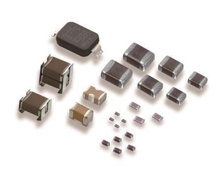
Murata Manufacturing is a global, comprehensive manufacturer of electronic components, primarily engaged in the development, production, and sales of ceramic-based electronic components. Murata is a leader in the MLCC industry, commanding a 40% global market share and holding 50% of the market for automotive-grade MLCCs. The company has currently commenced mass production of 47µF MLCCs in the 0402 size (1.0 × 0.5 mm)—designed for high-performance IT equipment such as AI servers—as well as automotive-grade 10µF/50Vdc MLCCs in the 0805 size.
To expand production capacity in a balanced manner, Murata has distributed its MLCC production bases across Japan, the ASEAN region, and China; it is currently building a production system capable of flexibly responding to changes in the market environment and growing demand.
Construction of a new MLCC plant in Thailand began in July 2021 and was completed in March 2023;
Construction of a new MLCC plant at the Iwami facility of Izumo Murata Manufacturing began in March 2022 and was completed in April 2023;
Construction of a new MLCC factory at Wuxi Murata—primarily for producing MLCC sheets—began in November 2022; the project has since passed final inspection.
In February 2024, the construction of a new MLCC factory for Izumo Murata Manufacturing (in Izumo City, Shimane Prefecture) was announced, with completion expected in March 2026.
In August 2024, mass production began for Murata's first 1608M-sized multilayer ceramic capacitor (MLCC) capable of achieving a capacitance of 100μF.
In April 2026, mass production of seven new automotive-grade MLCC models began, achieving ultra-high capacitance.
In May 2026, Murata will make an additional investment of approximately 80 billion yen to increase MLCC production capacity.
Official Website: https://corporate.murata.com
02
Samsung Electro-Mechanics

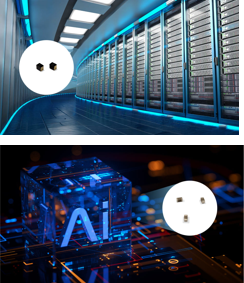
Established in 1973, Samsung Electro-Mechanics has grown into a global enterprise specializing in the development and production of core electronic components. The company entered the MLCC business in 1988 and currently holds the second-largest market share in the IT sector worldwide. It began producing MLCCs for industrial and automotive applications in 2016; following the establishment of a dedicated automotive production line in Busan in 2018, the company has actively expanded its automotive MLCC business and has now launched automotive-grade MLCCs featuring the 0805 inch (2.0 x 1.2 mm) form factor, X7T temperature characteristics (-55 to 125°C), a 250V rating, and 100nF capacitance. Samsung Electro-Mechanics utilizes its sites in Suwon and Busan, South Korea, as hubs for R&D and the production of new models and raw materials, while its manufacturing plants in Tianjin, China, and the Philippines serve as bases for mass production.
September 2011: Completion of the new Binhai plant in Tianjin, China;
2016: Commenced production of automotive-grade MLCCs; established a dedicated automotive production line in Busan to formally develop the automotive MLCC business;
2017: Completion of new plants in the Philippines and Tianjin;
2023: Announced plans to strengthen core MLCC raw material capabilities and create a high-tech MLCC zone in Busan; Samsung Electro-Mechanics built a new plant dedicated to automotive-grade raw materials at its Busan site.
April 2025: Reports indicated that Samsung Electro-Mechanics had received final approval from BYD and commenced full-scale delivery of multi-layer ceramic capacitors (MLCCs).
June 30, 2026: Samsung Electro-Mechanics announced plans to invest approximately 15 trillion KRW over the coming years to build and expand production facilities in Busan and Sejong, aiming to increase the output of MLCCs and flip-chip ball grid array (FC-BGA) substrates.
It is reported that the Tianjin plant—currently Samsung Electro-Mechanics' largest—has a monthly production capacity of up to 120 billion units.
AI-related orders: On June 30, 2026, Samsung Electro-Mechanics secured an MLCC supply contract for AI servers worth 450 billion KRW (approximately 1.998 billion RMB); market speculation suggests the client is a North American cloud service provider (CSP). On July 23 of the same year, the company signed an MLCC supply contract worth approximately 200 million USD with a major global enterprise for AI servers.
Official Website: https://www.samsungsem.com/
03
TAIYO YUDEN

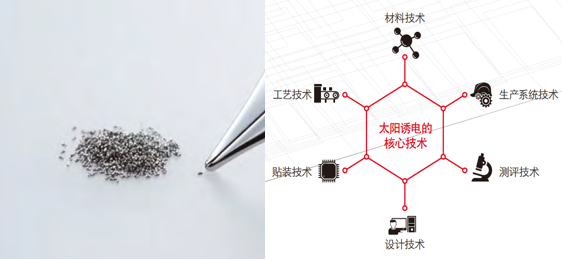
Taiyo Yuden Co., Ltd. was established on March 23, 1950. Starting with capacitors, the company has continuously dedicated itself to the research, development, production, and sales of various electronic components. With MLCCs as its flagship product, the company consistently focuses on technological R&D aimed at miniaturization and high performance. Taiyo Yuden’s MLCC products are manufactured at the Tamamura Plant (Gunma Prefecture) and Niigata Plant in Japan, as well as at facilities in South Korea (Gyeongsangnam-do), Malaysia (Sarawak), and China (Changzhou and Dongguan).
2022: Taiyo Yuden's MLCC (ceramic capacitor) production capacity expansion project in Dongguan;
March 2023: Completion of the barium titanate material building at Taiyo Yuden's Yahatabara Plant;
June 2023: Completion of the new MLCC plant in Changzhou;
October 2023: Completion of the new MLCC plant in Sarawak, Malaysia;
November 2023: Phase I of Taiyo Yuden (Changzhou) Electronics' multilayer ceramic capacitor project officially enters production; upon reaching full capacity, it will produce 21.2 billion MLCCs annually;
February 2025: Completion of Building No. 5 at the Tamamura Plant;
March 2025: Taiyo Yuden announces plans to establish a sales office in Bangalore, India;
September 2025: Mass production begins for a 1005-size (1.0 x 0.5 mm) embedded-substrate multilayer ceramic capacitor (MLCC) with a capacitance of 22μF, suitable for IC power lines in information equipment such as AI servers;
April 1, 2026: Official establishment of the Hanoi Representative Office of Taiyo Yuden (Singapore) Pte. Ltd. in Hanoi, Vietnam;
Official Website: https://www.yuden.co.jp/
04
TDK Corporation

Established in 1935, TDK Corporation operates over 250 factories, R&D centers, and sales offices across more than 30 countries. As a world-renowned brand in the electronics industry, TDK has consistently maintained a leading position in electronic materials and components. To achieve miniaturization and higher capacitance in multilayer ceramic chip capacitors (MLCCs), TDK employs advanced material technologies to pursue ultra-fine particle sizes. By leveraging unique manufacturing processes, the company has established advanced lamination techniques—enabling the production of components with up to 1,000 layers—while eliminating misalignment between dielectric and electrode layers. Currently, TDK offers a range of MLCCs designed for power systems in data centers (specifically for AI servers).
1971: Established TDK-ACI Co., Ltd. as a joint venture with American Components Incorporated (ACI) to manufacture multilayer ceramic capacitors (MLCCs) and launched MLCCs featuring palladium internal electrodes;
1980: TDK acquired full ownership of TDK-ACI and renamed the company TDK-MCC Co., Ltd.;
2001: Completed the TDK-MCC Kitakami Plant and established a subsidiary in Suzhou for MLCC manufacturing and sales;
2008: Completed the TDK-MCC Honjo Plant; acquired the German company EPCOS;
2016: TDK-MCC was merged into TDK Akita Corporation and subsequently into TDK Electronics;
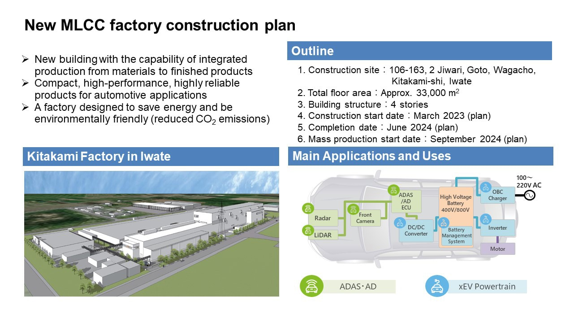
2022: Announced a 50 billion yen investment to add MLCC production facilities at the Kitakami Plant to meet automotive demand, with full-scale mass production expected by September 2024. By the end of 2024, production capacity is projected to increase to 190% of the level seen in the fiscal year ending March 2021;
2024: Completed a new manufacturing building at the Kitakami Plant (located in Waga-cho, Kitakami City, Iwate Prefecture) to boost automotive MLCC production capacity;
2025: Launched low-impedance, soft-termination C0G MLCCs (3225 package size) achieving 22 nF capacitance at 1000 V; also commenced mass production of 1608-size MLCCs with 1 µF capacitance, 100 V rating, and X7R characteristics;
April 2, 2026: TDK Corporation and Nippon Chemical Industrial Co., Ltd. announced the establishment of a joint venture to co-develop materials and manufacturing processes for electronic components; a joint venture named TDK-NCI Advanced Materials Co., Ltd., specializing in material development, has now been officially established.
Official Website: https://www.tdk.com
05
KYOCERA

KYOCERA Corporation was established on April 1, 1959, specializing in the research, development, and production of fine ceramics.
Kyocera’s high-performance, high-quality multilayer ceramic capacitors (MLCCs) utilize high-purity dielectric ceramics and incorporate advanced thin-layering and high-precision technologies to achieve continuous advancements in miniaturization and increased capacitance. Leveraging its superior dielectric ceramic expertise and state-of-the-art manufacturing capabilities, Kyocera offers compact, high-performance, high-capacitance multilayer chip capacitors. With an extensive product lineup, these capacitors are used not only in wireless communication devices (such as smartphones and tablets) and digital equipment (such as LCD displays) but also widely in industrial and automotive applications, enabling Kyocera to provide optimal product solutions for its customers.
Kyocera manufactures its ceramic capacitors at the Kokubu Plant in Kagoshima, Japan; the Penang Plant in Malaysia; and the Korat Plant in Thailand.
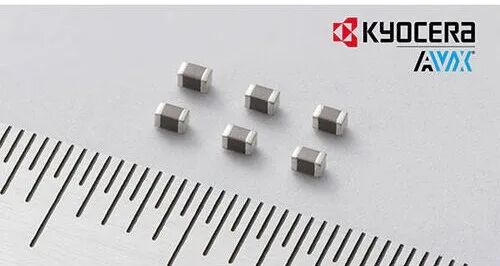
In 2020, Kyocera completed the acquisition of AVX Corporation and subsequently established the new brand, KYOCERA AVX.
In September 2022, Kyocera announced an investment of 15 billion yen to construct a new MLCC production facility at its Kokubu Plant in Kagoshima, Japan.
In November 2022, the construction of a new KYOCERA AVX factory for ceramic and tantalum capacitors in Korat, Thailand, was completed.
In March 2025, Kyocera successfully developed a compact multilayer ceramic capacitor (MLCC) achieving a capacitance of 47μF in the 1005 (1.0mm x 0.5mm) size; in May of the same year, KYOCERA AVX launched the 47μF 0402 MLCC, with mass production commencing in December.
Official Website: https://www.kyocera.co.jp/
06
Sanwa Capacitor Group

Sanwha Capacitor Group was established in 1956, with core business areas including MLCCs, DCC disc ceramic capacitors, EMI filters, and FC film capacitors. Sanwha Capacitor was the first company in South Korea to manufacture MLCCs.
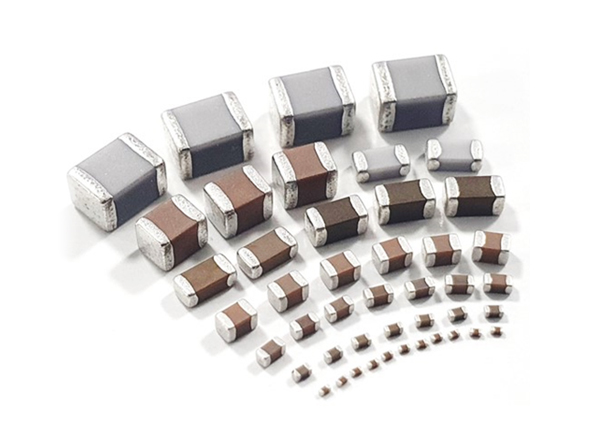
Since 1985, Samwha Capacitor has successfully developed and mass-produced MLCCs using its own proprietary technology. MLCC production and sales have become the company's core business, serving sectors such as defense, home appliances, automotive, and industry.
Samwha Capacitor operates production facilities in Yongin (South Korea), Thailand, and Indonesia, with a current MLCC production capacity of 3 billion units per month.
Leveraging its technical expertise and extensive experience, the company has pioneered the development of ultra-compact, ultra-high-capacitance, and ultra-high-voltage products.
Official Website: http://www.samwha.com/
07
Amotech

Founded on October 19, 1994, Amotech supplies a variety of multilayer ceramic capacitors (MLCCs) for home appliances, telecommunications, and automotive applications, leveraging its proprietary MLCC materials, process technologies, and circuit technologies.
Amotech launched its MLCC business in 2018; its factory in the Namdong Industrial Complex in Incheon has a monthly production capacity of 3 billion units, and sales commenced in 2022. The company possesses differentiated MLCC process technologies—accumulated over more than two decades through the development of multilayer chip varistors, which share similar manufacturing processes—and produces its own MLCC materials. Its MLCC products are used in sectors such as automotive and telecommunications.
Amotech is currently expanding its MLCC production lines in Vietnam and considering converting its existing Vietnam manufacturing plant to focus on MLCC production. In the long term, the Seoul and Incheon facilities will concentrate on MLCC R&D and ultra-small MLCCs, while the Vietnam plant will focus on mass production.
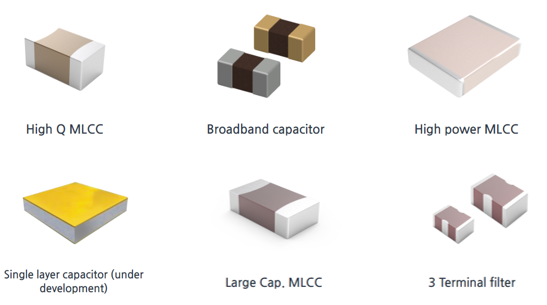
On May 23, 2026, Amotech plans to raise 35 billion KRW through a rights offering to expand production capacity for AI and MLCCs.
On July 15, 2026, Amotech announced the start of full-scale mass production of high-performance Multi-Layer Ceramic Capacitors (MLCCs) targeting AI data centers and next-generation network markets.
Official website: https://www.amotech.co.kr/
08
AVATEC

Established in 2000, AVATEC manufactures high-performance thin-film coating products utilizing vacuum multilayer deposition equipment and process technologies. As part of a differentiated strategy to enter the IT and high-end automotive MLCC markets, the company leverages core manufacturing processes and advanced production technologies to produce high-capacitance, thin-layer MLCCs; it has also obtained IATF 16949 and AEC-Q200 certifications. Its MLCC products range in size from 0402 to 3225 and are used in sectors such as photovoltaics, IT, and automotive.
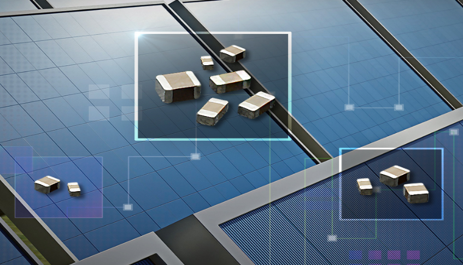
Launched MLCC operations in 2018 and began establishing a production line in Gumi City (capacity: 3 billion units/month);
Commenced mass production in 2020;
Announced plans to expand MLCC production capacity in 2023;
Completed the second factory in Gumi in April 2024.
AVATEC’s MLCCs are primarily used in sectors such as solar inverters, IT, and automotive applications.
Official website: http://www.avatec.co.kr/
09
MARUWA

MARUWA was established on April 5, 1973, and is primarily engaged in the development, manufacturing, and sales of ceramics for electronic and industrial applications, as well as electronic components. With ceramic technology at its core, MARUWA currently operates across four business sectors: ceramics, electronic components/assemblies, quartz glass, and LED lighting.
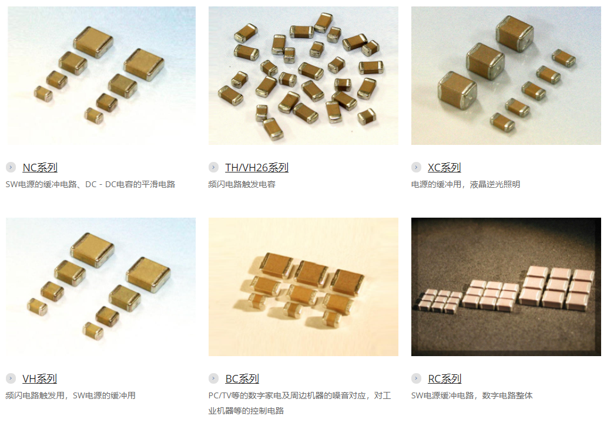
In 1999, MARUWA began manufacturing EMC-related components, starting with multilayer ceramic capacitors.
MARUWA’s ceramic capacitors are produced using proprietary synthetic materials made from high-purity, ultra-fine, and uniform particles. Strict quality control is implemented throughout the entire process—from raw materials to the finished product—and the components are used in applications such as digital home appliances, computers, telecommunications equipment, and industrial machinery.
Official Website: https://www.maruwa-g.com/
10
Knowles Corporation

Founded in 1946 and headquartered in Itasca, Illinois, USA, Knowles Corporation is a global leader in its field. The Knowles Capacitors Division (KPD) is a business unit within the group specializing in the manufacture of various ceramic capacitors and microwave components; it develops and produces capacitor products designed to meet demanding requirements—such as high reliability, high temperature resistance, high voltage, and high frequency—across diverse markets. Its products are primarily used in sectors including aerospace, medical, electric vehicles, high-end industrial applications, and 5G.
Knowles Suzhou was established in 1995;
In 2014, DLI, Novacap, Syfer, and Voltronics merged to form the Knowles Capacitors division;
The Suzhou capacitor factory became fully operational in 2015;
In 2017, Johanson Manufacturing—a world-class component supplier—joined Knowles Capacitors, bringing expertise in the production of trimmer capacitors, non-magnetic variable inductors, and microwave tuning elements;
Knowles Capacitors acquired Compex in 2018 to bolster its existing strengths in single-layer capacitors;
In 2021, Knowles Capacitors acquired Integrated Microwave Corporation (IMC), further enhancing its design and manufacturing capabilities in the field of RF and microwave filters;
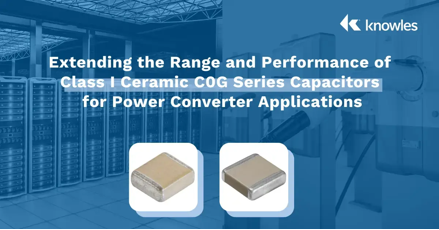
In November 2025, Knowles Corporation announced an expansion of the performance range of its Class I C0G ceramic MLCCs to better support LLC-type DC/DC converters;
Its product portfolio includes monolithic capacitors, high-reliability capacitors, single-layer capacitors, precision variable capacitors, EMI filters, thin-film components, and more;
Official website: https://www.knowlescapacitors.com/
11
Exxelia

Exxelia is a manufacturer of complex passive components and precision subsystems, specializing in demanding end markets, applications, and functions. Its product portfolio includes a wide range of capacitors, inductors, transformers, resistors, filters, position sensors, slip rings, and high-precision mechanical parts, serving leading industrial sectors such as aerospace, defense, medical, rail, energy, and telecommunications.
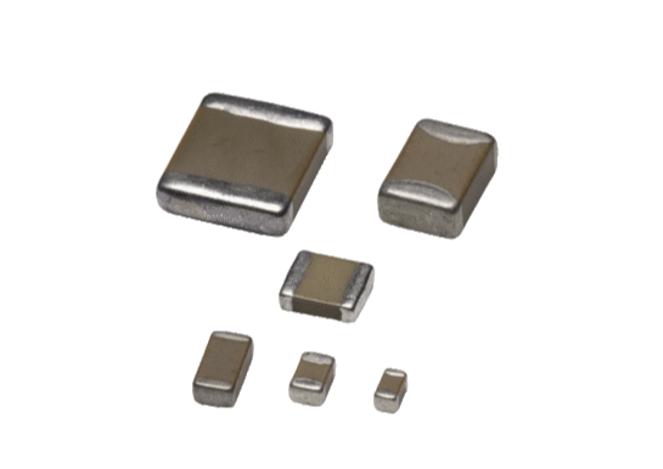
On June 11, 2026, Exxelia announced the acquisition of a 90% equity stake in CalRamic Technologies, LLC. Founded in 2002, CalRamic offers products primarily categorized into two types: disc capacitors and multilayer ceramic capacitors (MLCCs).
Official website: https://exxelia.com/
12
Johanson Dielectrics, Inc. (JDI)

Johanson Dielectrics, Inc.是全球高品质陶瓷片式电容器的生产商,位于美国加利福尼亚州卡马里奥,拥有50多年专门从事高品质陶瓷产品设计和制造的经验。
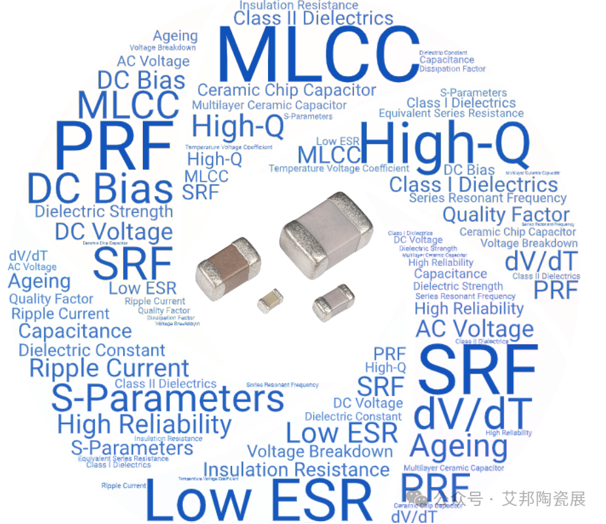
Johanson Technology Incorporated (JTI) was formerly the Specialty Products Group of Johanson Dielectrics and was established as a separate entity in 1993. Johanson designs and manufactures power and RF/microwave products for electronic applications across various markets, including automotive, telecommunications, IoT, military/aerospace, medical, and industrial sectors.
Official website: https://www.johansondielectrics.com/
Aibang has established an MLCC industry discussion group; you are welcome to apply to join. Join the MLCC (Multi-Layer Ceramic Capacitor) industry exchange group.
Recommended Event 1: [Concurrent Exhibition Forum] The 6th MLCC Industry Forum (August 27 · Shenzhen)
(Agenda updated as of July 30)
Forum Zone 3 | August 27, 10:00–16:40 | ||
No. | Presentation Topic | Speaker / Company |
1 | Ultra-miniature, Ultra-thin MLCCs Enabling the Development of AI Chips and Advanced Packaging Technologies | Yuyang Technology |
2 | Precision Slurry Metering and Loss Optimization Mechanisms in MLCC Spiral Coating Technology | Shenzhen Zhongxinglian Technology Co., Ltd. |
3 | Application of Nano-Coulter Technology in MLCC Powder Characterization | Ma Xiaoting, Technical Director, Ruixin Zhizao (Shenzhen) Technology Co., Ltd. |
4 | Insights on Avoiding Common Pitfalls in High-End MLCC R&D | Fu Jionggui, General Manager, Guangzhou Shengli New Materials Co., Ltd. |
5 | Precision Thermal Processing: Quality Through Precision—Research on Thermal Equipment and Processes Across the Full MLCC Manufacturing Chain | Du Runsheng, Expert at CETC Group / R&D Director at Hefei Hengli |
6 | Development Pathways for MLCC Miniaturization and High Capacitance | Invited: Dalian Dalicap Technology Co., Ltd. / Shenzhen Sunway Communication Co., Ltd. |
7 | Research on Controllable Preparation and High-Entropy Doping Modification of Nano-Barium Titanate Driven by High-End Electronic Material Demands | Professor Shi Liyi, Shanghai University |
8 | Topic to be confirmed | Dr. Qi Shishun, Deputy Dean of Hongyuan Innovation Research Institute, Beijing Yuanliu Hongyuan Electronic Technology Co., Ltd. |
9 | Topic to be confirmed | Dalian Overseas Huasheng |
10 | PME/BME/Pulse Energy Storage/Microwave MLCC Ceramic Material Technology | Professor Tang Bin, University of Electronic Science and Technology of China (UESTC) |
11 | Ultrafine Nano-Barium Titanate Powder Materials and Dispersion Evaluation Technology | Dr. Lu Wei, Technical Director, Huizhou Baoshunmei Technology Co., Ltd. / Researcher, Gusu Laboratory of Materials Science |
12 | Technological Achievements in the Localization of Core Equipment for MLCC Front-end Processes | Shenzhen Jinminjiang Intelligent Equipment Co., Ltd. |
13 | Topic to be confirmed | Maiborui |
14 | Zirconia Beads/95% Zirconia Beads: Testing Standards, Quality Control, and Comparison Across Manufacturers | Ran Xintian, Sales Director, Jiaxing Jingchi Special Ceramics Co., Ltd. |
15 | Topic to be confirmed | Chongqing University |
We are currently soliciting additional topics; recommendations or self-proposed topics are welcome. For speaking or sponsorship inquiries, please contact Ms. Li at 18124643204 (also her WeChat ID).
To register for free, please long-press the QR code to sign up online.

Alternatively, copy the link to your browser to register via WeChat:
https://www.aibang360.com/m/100307
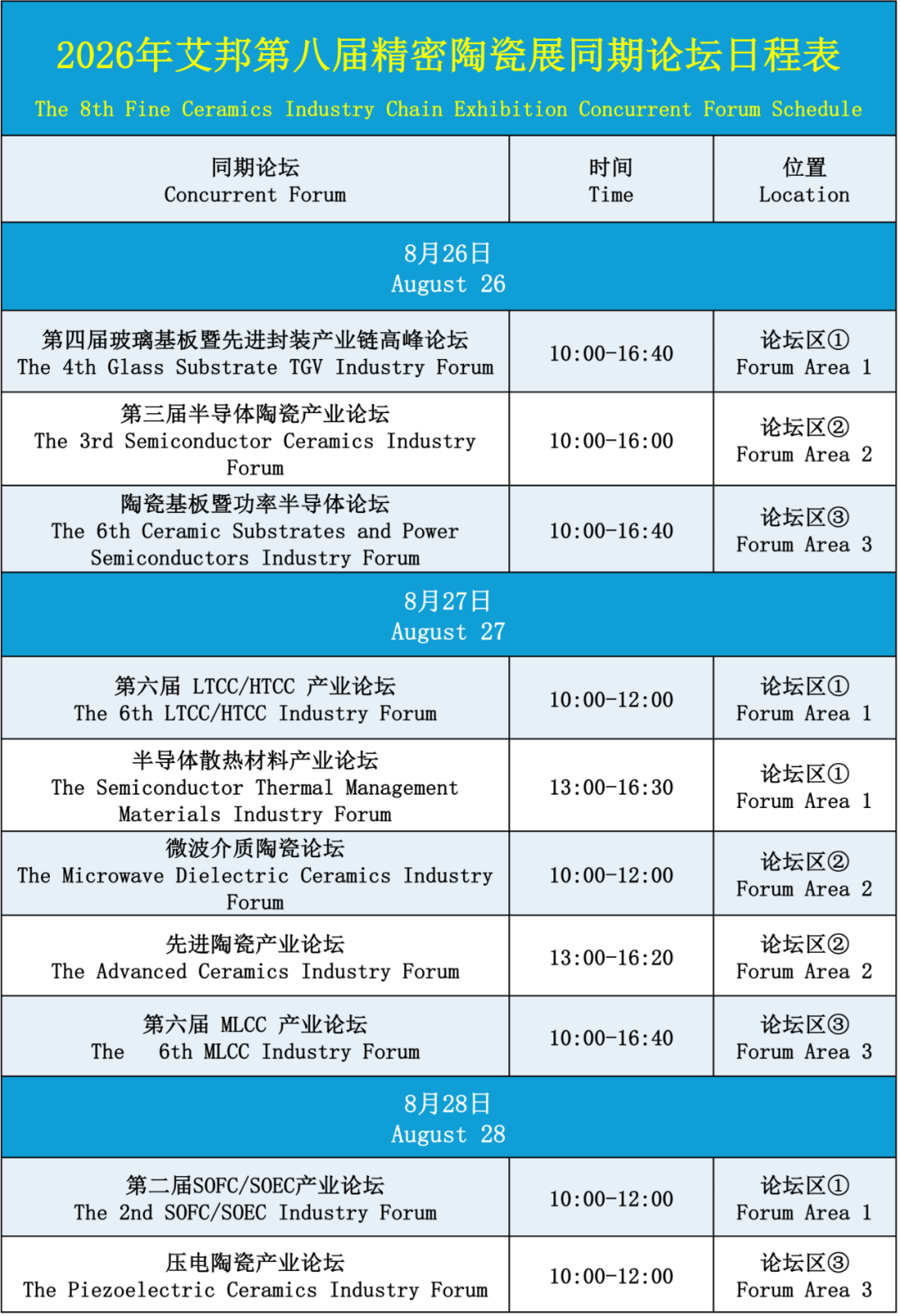
Recommended Event #2: One-click registration | Free access to the ten themed forums at the Shenzhen Precision Ceramics Exhibition (August 26–28)! Click the image below 👇 for details.
Booth Booking:
Ms. Li: 18124643204 (WeChat ID same as mobile number)
Ms. Wen: 18126443075 (WeChat ID same as mobile number)
Email: wenxiaoting@aibang.com