
6G is coming! Is there still an opportunity for microwave dielectric ceramics?
Several years have passed since the commercialization of 5G communications. Since Huawei adopted ceramic dielectric filter solutions for its 5G base stations, my country's microwave dielectric ceramic industry—which produces the key materials for 5G ceramic filters—has entered a phase of rapid development. As a vital type of electronic ceramic material, microwave dielectric ceramics are characterized by a high dielectric constant, a low temperature coefficient of resonant frequency, and low dielectric loss; consequently, electronic components manufactured from these materials offer exceptional performance. With the advent of 6G—the next generation of communication technology—what does the future hold for microwave dielectric ceramics?
I. Commercialization of 6G Expected in 2030
6G, or sixth-generation mobile communication technology, represents the next generation of wireless communication technology following 5G. Currently, 3GPP has decided that the initial 6G standards will be released in early 2029. 6G is expected to officially enter commercial use in 2030.
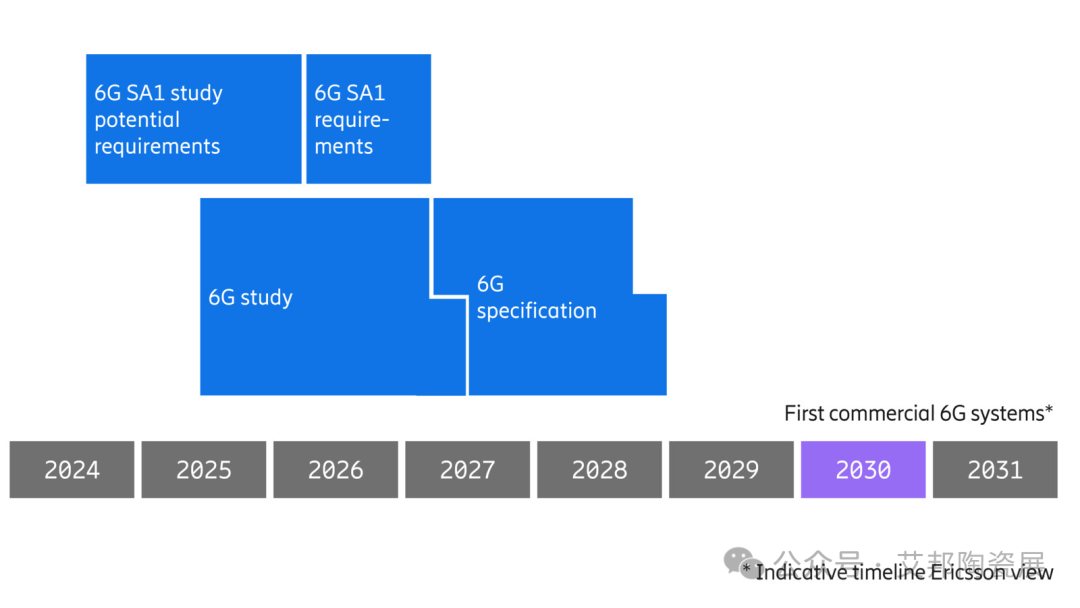
Figure: 3GPP 6G Implementation and Evolution Timeline (Source: Ericsson)
6G represents the next generation of advanced mobile communication systems, yet it transcends mere communication. Moving beyond the scope of traditional communication, 6G will expand into areas such as integrated sensing and communication (ISAC), the convergence of intelligence and communication, and ubiquitous space-air-ground connectivity. It will evolve from a system with a singular communication function into a multifaceted infrastructure capable of environmental sensing, intelligent computing, and coordinated control. This evolution will further broaden the scope of applications by achieving deep integration among communication, sensing, computing, and control, and by converging with space-based networks—including satellites, high-altitude platforms, and unmanned aerial vehicles. The result will be a global, wide-area communication network featuring integrated space-air-ground-sea coverage, capable of fostering groundbreaking, transformative applications. Its use cases will extend to emerging sectors such as the low-altitude economy, intelligent transportation, and the Industrial Internet.
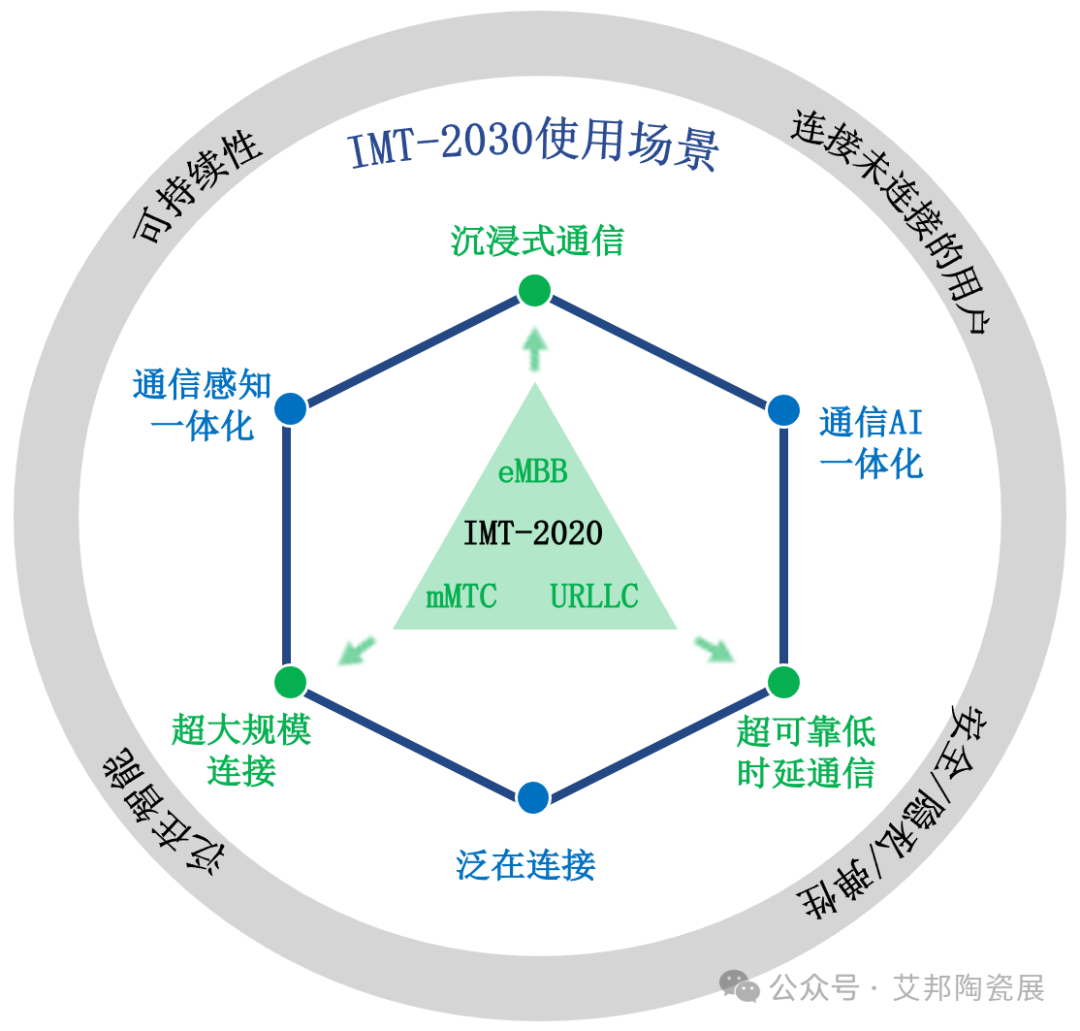
Figure: IMT-2030 Usage Scenarios
The outline of the "15th Five-Year Plan" explicitly calls for the forward-looking deployment of future industries, designating sixth-generation mobile communication (6G) as a new driver of economic growth. In May of this year, the Ministry of Industry and Information Technology (MIIT) approved the use of the 6425–7125 MHz frequency band for 6G trials, making China the first country globally to authorize frequencies for such testing; this marks the transition of 6G R&D from laboratory settings to real-world scenario validation. Commercial 6G services are expected to launch first in China, as well as in regions and countries such as Europe, India, Japan, South Korea, the United States, and Vietnam, starting in 2030. By 2040, the number of 6G connections is projected to exceed 5 billion, accounting for more than 50% of total global connections. 6G holds immense potential for future development.
II. Development Opportunities for Microwave Dielectric Ceramics
Microwave dielectric ceramics serve as the dielectric material in microwave circuits and are a key foundational material in modern communication technology. Microwave dielectric ceramic components are a class of electronic components manufactured using microwave dielectric ceramics as the raw material through specific processing workflows.
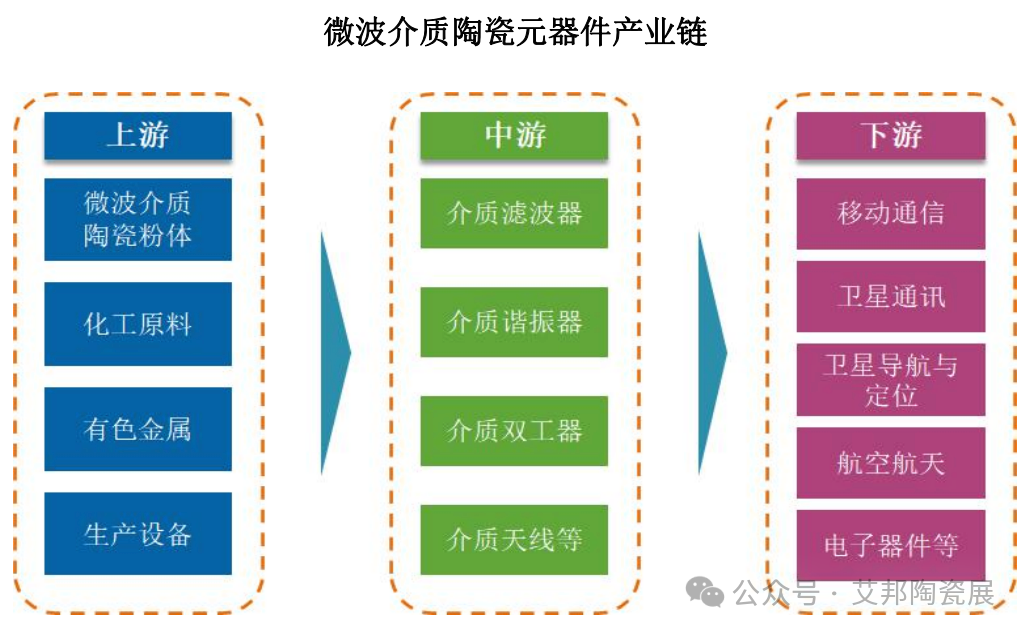
Source: Canqin Technology prospectus
Microwave dielectric ceramics are widely used in the modern communications industry for components such as dielectric resonators, dielectric filters, dielectric duplexers, dielectric couplers, dielectric substrates, and dielectric antennas. Among these, dielectric filters represent a key application area for microwave dielectric ceramics.
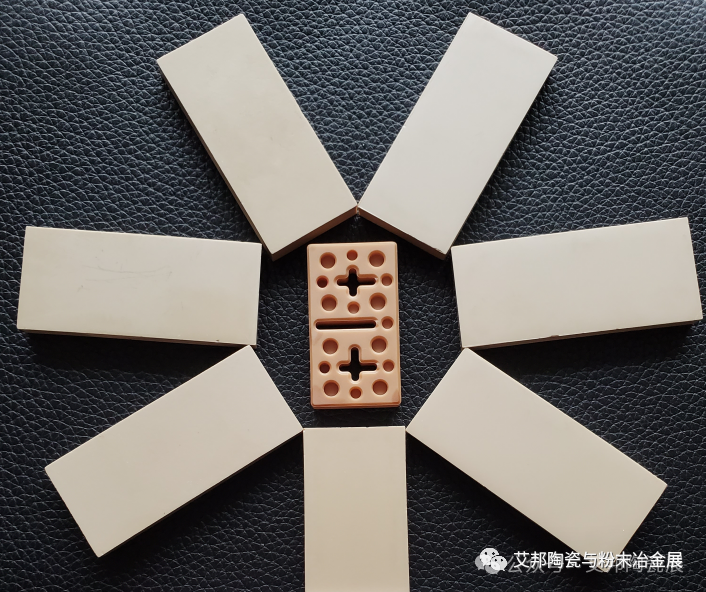
Figure: Ceramic substrate for 5G dielectric filters
Compared to metal cavity filters, dielectric waveguide filters offer unique advantages in 5G, 5G-A, and 6G communication applications. For the same frequency requirements, dielectric waveguide filters are smaller and lighter. Their compact size, low weight, low cost, and versatile interface options align with the trend toward customized and personalized filter solutions.
The rapid advancement of 5G and 6G technologies is driving growing demand for microwave dielectric ceramics. These materials—characterized by a wide range of dielectric constants, low microwave loss, and low temperature coefficients—are ideal for manufacturing various microwave components and meet the industry's needs for miniaturization, integration, high reliability, and cost-effectiveness. Furthermore, optimizing production processes—such as molding and metallization—has enhanced product consistency, reliability, and manufacturing efficiency. The future development of 6G promises to open up vast market opportunities for the microwave dielectric ceramics industry.
From August 26 to 28, companies across the microwave dielectric ceramic supply chain—including Jiali Electronics, Nanjing Yitai, Yuanliu Hongyuan, Xinxin Intelligent, and Chuangxinqi—will gather at the Shenzhen Precision Ceramics Exhibition. We welcome you to visit and exchange ideas! For exhibition inquiries, please contact Ms. Li at 18823755657 (also her WeChat ID).
Aibang has established a discussion group for ceramic filters; please scan the QR code to join:
Recommended Event: [Invitation] 2026 Microwave Dielectric Ceramic Industry Forum (August 27 · Shenzhen)
Proposed Topics
No. | Presentation Topic | Invited Enterprises/Institutions |
1 | Revolutionary Applications of 3D Printing and Additive Manufacturing in Ceramic Antennas | Institute of Additive Manufacturing, Shenzhen University |
2 | Application of Dielectric Filter Materials in Ceramic Antennas | Shaanxi Ouxike Electronics Co., Ltd. |
3 | Development Requirements for Ceramic Antennas in 5G/6G RF Base Stations | Proposed: Jiaozuo Jinchuan Electronic Technology Co., Ltd. |
4 | Challenges and Solutions in the Preparation of Microwave Dielectric Ceramic Powders | Microwave Dielectric Ceramic Material Enterprises/Universities |
5 | Application of Microwave Dielectric Ceramic Materials in the 6G Sector | Microwave Dielectric Ceramic Material Enterprises/Universities |
6 | Opportunities for Ceramic Antennas in Satellite Internet and LEO Constellations | Microwave Dielectric Ceramic Material/Ceramic Antenna Enterprises |
7 | Sintering Processes for Microwave Dielectric Ceramics | Microwave Dielectric Ceramic Material Enterprises/Universities |
8 | Application of Screen Printing in Ceramic Dielectric Filters | Screen Printing Equipment/Microwave Dielectric Ceramic Material Enterprises |
9 | Application of Laser Technology in Ceramic Dielectric Filters | Microwave Dielectric Ceramic Material/Filter Enterprises/Universities |
10 | Technical pathways for achieving high-frequency and wideband performance in ceramic antennas | Microwave dielectric ceramic material & ceramic antenna enterprises |
11 | Applications of ceramic dielectric filters in the communications sector | Microwave dielectric ceramic material enterprises, filter manufacturers, and universities |
12 | Applications of high-entropy ultra-high-temperature ceramics in aerospace communications | Microwave dielectric ceramic material enterprises, ceramic antenna enterprises, and universities |
13 | Research progress on novel tungsten-bronze and niobate-based microwave dielectric ceramics | Microwave dielectric ceramic material enterprises and universities |
14 | Mechanisms regarding the influence of advanced sintering technologies (SPS, flash sintering) on microwave dielectric properties | Microwave dielectric ceramic material enterprises and universities |
15 | Engineering applications of miniaturized ceramic patch antennas in BeiDou/GNSS terminals | Microwave dielectric ceramic material enterprises, ceramic antenna enterprises, and universities |
For inquiries regarding further innovative presentations, please contact Ms. Li at 18823755657 (also her WeChat ID).
Registration Method 1: Add the WeChat contact and send your business card to register.
Ms. Li: 18823755657 (WeChat)
Email: lirongrong@aibang.com
Registration Method 2: Copy the URL below into your browser and register via WeChat:
https://www.aibang360.com/m/100309