
TEC Semiconductor Cooling: The Next Decisive Factor in Thermal Management for AI Computing Power?
By 2026, AI computing power is reshaping the digital world at an unprecedented pace. From large-model training to intelligent inference, and from autonomous driving to quantum computing, every breakthrough in AI technology relies on the high-speed operation of thousands of GPUs within data centers. While we marvel at the immense performance of "computing behemoths" like NVIDIA’s GB300 and AMD’s MI300X, we often overlook a critical challenge: how to ensure these chips—whose power consumption keeps climbing—operate continuously and efficiently within a stable temperature environment.
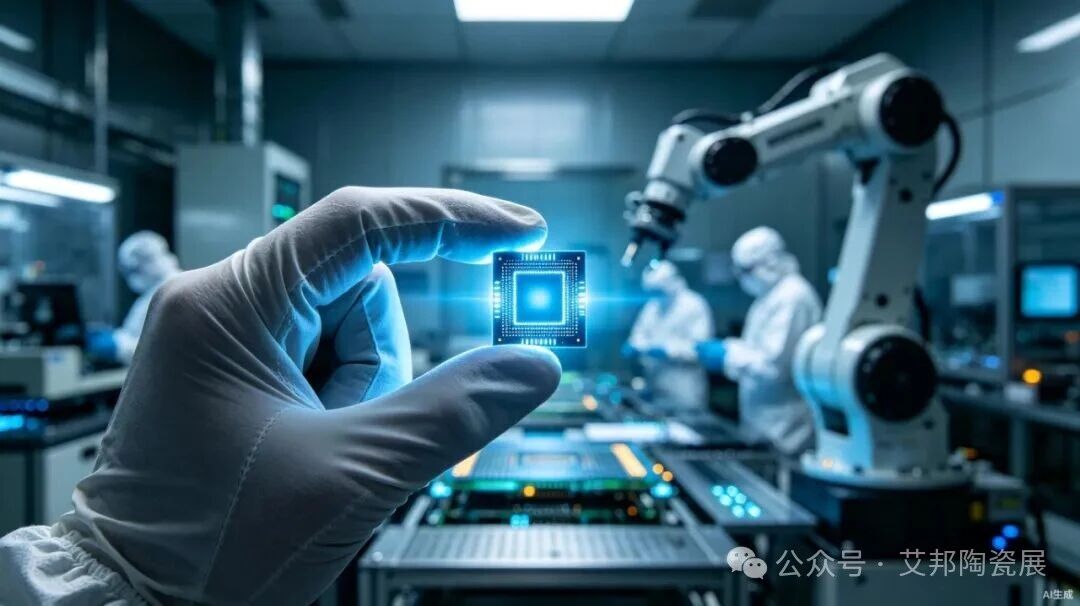
This is not merely a simple heat dissipation issue; it is a "covert battle" over thermal control that determines the very viability of AI computing power. In this unseen struggle, a chip smaller than a fingernail is quietly emerging as a key player: the Thermoelectric Cooler (TEC). It may not command the spotlight like a GPU or frequently trend like an optical module, yet this unassuming "thermal control heart" is precisely what dictates the operational efficiency and stability of AI data centers.

Three Key Changes
TEC usage per AI server has increased significantly compared to traditional general-purpose servers, with high-end training servers utilizing TECs on the scale of dozens of units;
800G/1.6T high-speed optical modules have emerged as the largest growth market for TECs, with demand surging continuously;
The future cooling paradigm—combining liquid cooling architecture with TECs—has propelled TEC technology to the forefront of thermal management for AI computing power.
01
The Data Center "Heat Crisis"
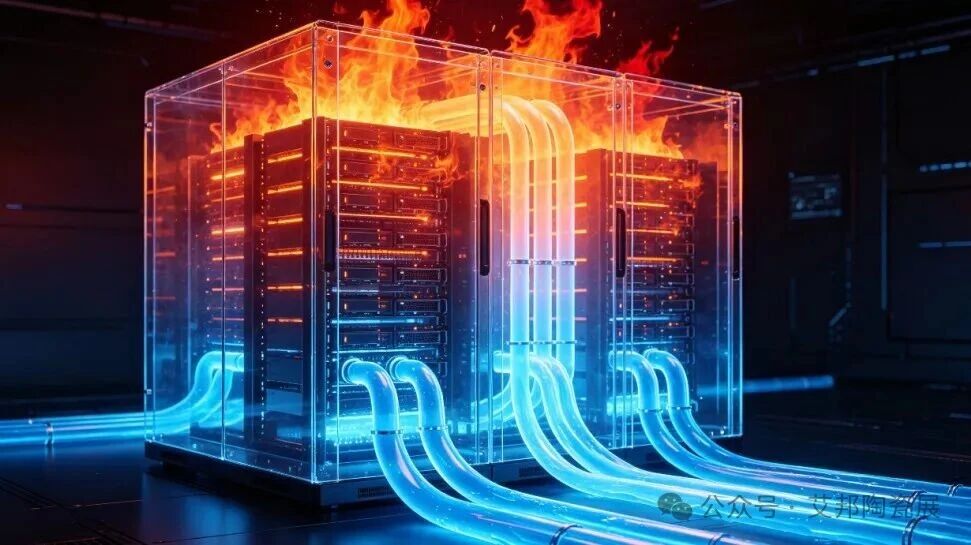
Pushing the Limits of Computing Power Density
A new generation of AI training servers is undergoing a "thermal revolution":
According to public data, the Thermal Design Power (TDP) of the NVIDIA H100 is approximately 700W; the power consumption of the B200 series has risen to over 1,000W, while the GB300 reaches around 1,400W. The AMD MI300X has a TDP of approximately 750W. Whether for training or inference, this surge in per-GPU power consumption translates into an exponential increase in thermal loads at the rack level.
Simultaneously, power density per rack is climbing toward 100kW, 300kW, and beyond. Traditional air-cooled racks—typically limited to a heat dissipation capacity of 20–40kW—can no longer meet the sustained cooling demands of high-density computing. Against this backdrop, liquid cooling architectures have shifted from optional to essential. Data from institutions such as CCID Consulting indicates that the domestic penetration rate for liquid-cooled servers will reach approximately 12% in 2025, with significantly higher adoption rates among high-end AI training servers. Meanwhile, TrendForce projects that the global penetration rate of liquid cooling in AI data centers will rise from 14% in 2024 to 33% in 2025. Adoption is expected to continue growing in the coming years, establishing liquid cooling as the standard solution for newly constructed high-end intelligent computing centers.
Metric | Typical Data |
Single GPU Power Consumption | H100: ~700W; B200: 1,000W+; GB300: ~1,400W |
Single-Rack Power Density | High-end AI racks evolving toward 100–300kW |
Upper Limit of Traditional Air Cooling | ~20–40kW |
Liquid Cooling Penetration Rate | ~12% in China and ~33% in global AI data centers by 2025; continuing to rise |
Traditional air-cooling solutions can no longer meet the heat dissipation requirements of high-density computing power, making liquid cooling architectures the mainstream trend.
Temperature sensitivity of high-speed optical modules.
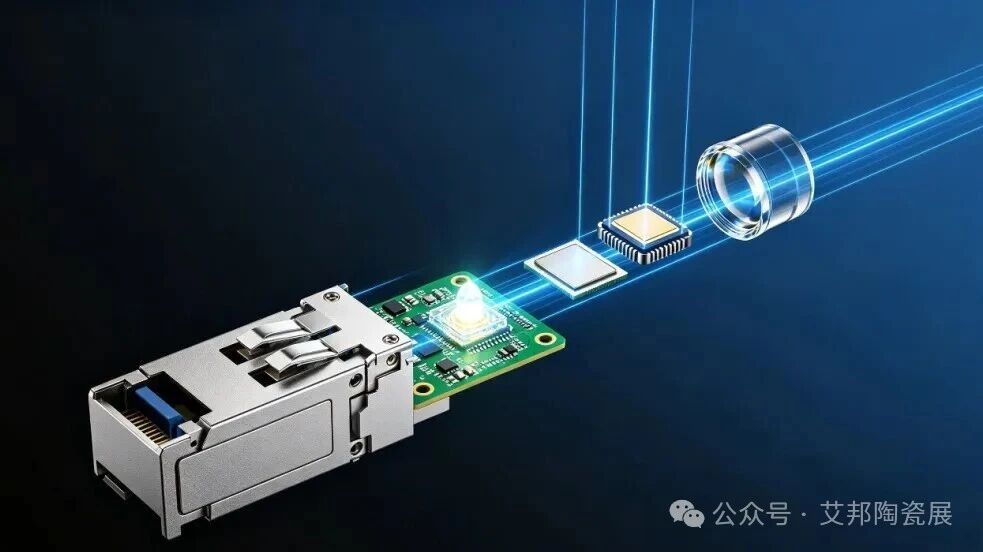
800G/1.6T optical modules serve as the "high-speed nerves" of AI data centers, yet they are extremely sensitive to temperature:
Wavelength drift: For every 1°C change in temperature, the wavelength of a DFB laser drifts by approximately 0.08–0.1 nm, directly impacting the data transmission bit error rate (BER);
Temperature control precision: High-end optical modules require temperature control precision at the level of ±0.05°C or even ±0.01°C—standards that conventional cooling solutions struggle to meet;
Micro-TEC as the key choice: Within the confined space of an optical module, only Micro-TEC technology can deliver the rapid response and precise temperature control required.
02
TEC: An "Invisible Essential" for AI Computing Power
Demand for Micro-TECs in AI servers is growing rapidly. While the low-speed optical modules found in traditional general-purpose servers utilize fewer TECs, next-generation AI training servers typically house 16–32 high-speed optical modules. TEC usage per module does not simply scale linearly with transmission speed; rather, it depends on the manufacturer's design, packaging approach, and light source technology. Current industry research indicates that 400G optical modules typically use 1–2 TECs, while 800G modules mostly use 2–3. For 1.6T modules, the mainstream solution involves 2–3 TECs, though some designs utilize up to four. The value of individual units rises with performance requirements; high-end Micro-TECs command a wide price range, spanning from a few dollars to several tens of dollars.
Global shipments of 800G optical modules are projected to reach approximately 34–42 million units by 2026, with demand for 1.6T modules also ramping up quickly. Based on an estimate of 2–3 Micro-TECs per high-speed optical module, the overall demand for Micro-TECs in high-end optical modules is set to maintain rapid growth.
New Opportunities for TECs in Liquid-Cooled Architectures
The widespread adoption of liquid cooling technology has created new application scenarios for TECs:
Liquid cooling + TEC hybrid solutions: Liquid cooling handles rack-level heat dissipation, while TECs provide precise, chip-level temperature control.
CPO (Co-Packaged Optics): High-speed interconnects of 1.6T and beyond are exploring co-packaging solutions like CPO and NPO. This results in closer proximity and stronger thermal coupling between photonic devices and computing chips, driving a greater need for high-performance temperature control solutions.
03
A Historic Opportunity for Domestic Substitution
The global high-end Micro-TEC market has long been dominated by Japanese manufacturers, but the supply chain landscape is currently shifting. Key raw materials—such as 7N-grade high-purity bismuth and tellurium—have been placed under export controls, altering the supply structure. Meanwhile, lead times for orders from some foreign manufacturers have extended, making it difficult to fully meet the rapidly growing demand driven by AI computing power.
Domestic TEC enterprises are seizing this window of opportunity. The temperature control precision of domestically produced high-end Micro-TECs continues to improve, with some companies approaching world-class standards. Leading domestic firms are accelerating the process of obtaining supplier certification from optical module manufacturers, and multiple domestic vendors are planning to ramp up monthly production capacity to the million-unit level to keep pace with AI computing demands.
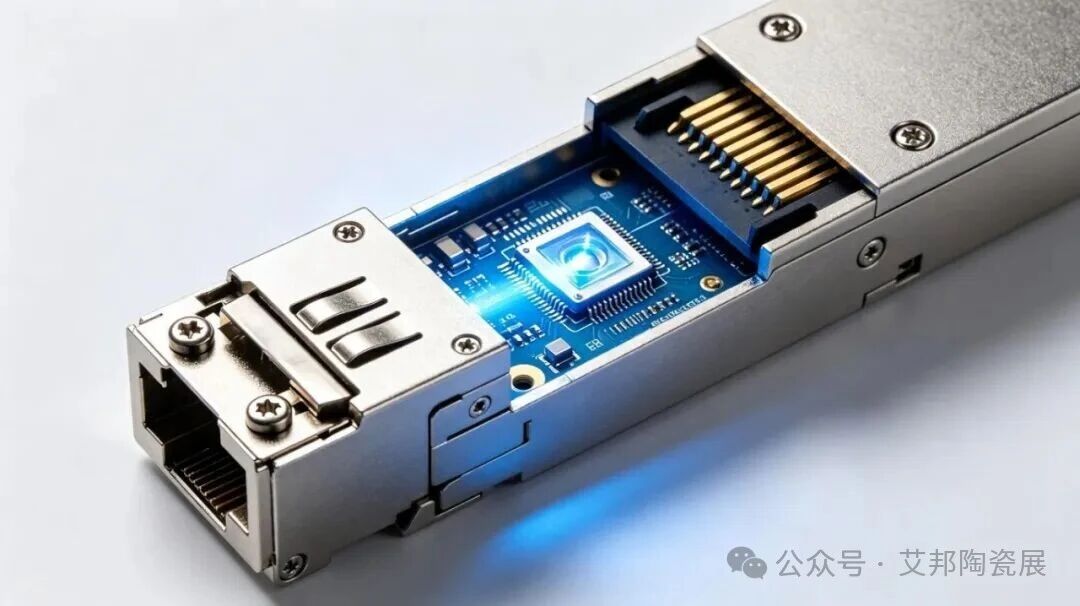
Strategic Positioning of Lengxin Semiconductor
Liaoning Lengxin Semiconductor’s initiatives in thermal management for AI computing power:
Product Compatibility: Micro-TEC products measure 2.8mm × 6.2mm × 1mm, making them suitable for 400G, 800G, and 1.6T optical modules;
Technological Breakthrough: In-house development of high-performance thermoelectric materials, enabling temperature differential control exceeding 70°C;
Quality Certification: Passed the "85/85 test" (85°C/85% RH, 2,000 hours), meeting the industry's highest reliability standards.
04
Future Trends and Strategic Planning
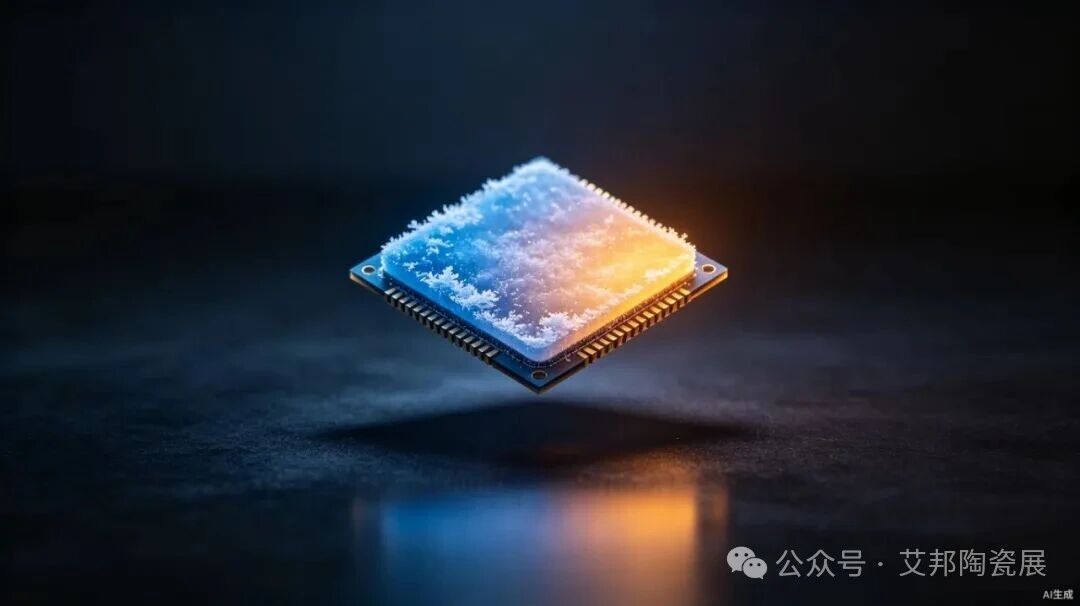
In the future, TEC technology is set to evolve in four directions: first, miniaturization—scaling down to the sub-millimeter level to suit the ultra-compact layouts required for CPO (Co-Packaged Optics); second, high precision—advancing temperature control accuracy toward ±0.01°C to meet the stringent demands of next-generation optical modules; third, intelligence—integrating temperature sensors and control circuitry to enable adaptive, intelligent temperature control; and fourth, high efficiency—accelerating the R&D of third-generation thermoelectric materials (such as Skutterudites and Half-Heuslers) to further boost the figure of merit (ZT value).
Market Size Forecast
Estimates of the global TEC market size vary significantly depending on the statistical scope: data from QYResearch indicates that the global TEC device market was valued at approximately $870 million in 2024 and is projected to reach roughly $1.55 billion by 2031, reflecting a CAGR of about 8.8%; meanwhile, the thermoelectric cooling system market stood at approximately $670 million in 2023 and is expected to reach around $1.2 billion by 2030. If the scope is broadened to include drivers, modules, systems, consumer electronics, and air conditioning, the market size expands significantly; some studies using this broader definition—focusing on bismuth telluride (Bi₂Te₃)-based technologies—forecast the market could reach the $40 billion range by 2032. AI computing power, optical communications, and consumer electronics serve as the primary growth drivers; the Chinese market is expanding rapidly, offering vast potential for domestic substitution.
Year | Global Market Size | China Market | Size AI-Related Share |
2024 | Approx. $870 million; approx. $600–700 million based on a "system" definition; up to the $10 billion range based on a broad definition | Rapid growth | Steadily increasing |
2027 | Approx. $1.1–1.2 billion | Continued expansion | Steadily increasing |
2031 | $1.55 billion | Share rising | Approaching 50% |
Note: Definitions of the TEC market scope (e.g., whether they include drivers, air conditioning units, or consumer electronics) vary among research institutions; the table above presents a reference range based on a synthesis of data from multiple sources.
The revolution in AI computing power has not only triggered a surge in demand for core hardware such as GPUs and optical modules but has also given rise to "hidden yet essential" needs for components like TEC thermal control chips. Driven by the widespread adoption of liquid cooling architectures and the upgrade to high-speed optical modules, TECs are shifting from a "supporting role" to a "leading role."
Source: Lengxin Semiconductor (please contact for removal if necessary)
https://mp.weixin.qq.com/s/YqEl2VBaJ7qb_9AZSZXPvg
On August 27, Liaoning Lengxin Semiconductor will participate in the Aibang Semiconductor Thermal Management Materials Industry Forum. The company will deliver a presentation titled "Applications and Challenges of Thermoelectric Coolers in Optical Communications" (tentative title). We welcome industry peers to attend and exchange ideas!
Aibang has established a discussion group for semiconductor thermoelectric coolers; please long-press the QR code and add the administrator on WeChat to join:

Recommended Event: 2026 Semiconductor Thermal Management Materials Industry Forum (August 26, Hall 7, Shenzhen World Exhibition & Convention Center)
Conference Topics:
No. | Presentation Topic | Invited Companies (Tentative) |
1 | Research on surface modification of diamond powder and the application of diamond-copper composites in semiconductor device thermal management | Professor Wei Qiuping, School of Materials Science and Engineering, Central South University |
2 | Topic TBD | Ningbo Jingzuan Technology Co., Ltd. |
3 | Topic TBD | Xiancai (Shenzhen) Semiconductor Technology Co., Ltd. |
4 | Application of Micro-TEC (Micro-Thermoelectric Coolers) in optical modules | Liaoning Lengxin Semiconductor Technology Co., Ltd. |
5 | Topic TBD | Kesai'da (Shanghai) Semiconductor Technology Co., Ltd. |
6 | Optimization strategies for interfacial thermal resistance in diamond/copper composites | Diamond thermal management material companies |
7 | Application prospects of liquid cooling combined with diamond-based thermal management solutions in intelligent computing centers | Diamond substrate companies / Data center cooling companies |
8 | MPCVD technology optimization: Uniformity control and defect suppression | Diamond substrate/material/equipment companies |
9 | Advantages of aluminum nitride ceramic substrates for TEC (Thermoelectric Cooler) heat dissipation | Ceramic TEC companies |
10 | Thermoelectric coolers (TECs) enabling thermal management in new energy vehicles | Ceramic TEC companies |
We are currently accepting proposals for additional topics. For inquiries regarding innovative speaking opportunities and sponsorship, please contact Ms. Li at 18823755657 (also her WeChat ID).
Exhibition Booth Inquiries:
Ms. Li: 18823755657 (also her WeChat ID)
Email: lirongrong@aibang.com
Scan the QR code to add us on WeChat and inquire about exhibition details.

Long-press the QR code to register online:

Alternatively, copy the URL to your browser to register via WeChat:
https://www.aibang360.com/m/100312