
Analysis of the Complete Warm Isostatic Pressing (WIP) Process for Net-Shape Forming of Complex Components
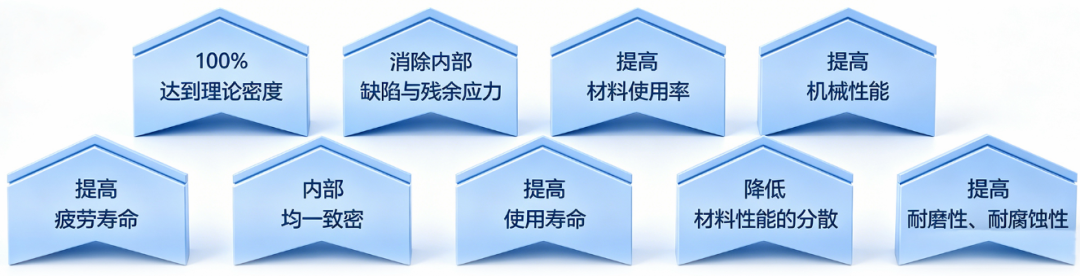
Warm Isostatic Pressing (WIP) is a next-generation advanced material forming technology that combines moderate temperatures (<250°C) with ultra-high pressures (100–700 MPa) to apply uniform pressure. Based on Pascal's principle of fluid pressure transmission, the process utilizes high-temperature-resistant heat-transfer oil within a sealed high-pressure chamber to simultaneously subject powders, green bodies, or composite materials—encased in flexible molds—to omnidirectional, uniform pressure and a precisely controlled, moderately heated environment. Through the synergistic effect of temperature and pressure, the process effectively reduces the rheological resistance and internal stress of material particles while eliminating internal defects such as micropores, air bubbles, and delamination. This results in tight particle bonding and uniform densification, yielding high-density, highly uniform, and high-precision green bodies without the need for high-temperature sintering. WIP effectively resolves industry pain points associated with traditional uniaxial pressing and cold isostatic pressing, such as insufficient density, inconsistent properties, and the difficulty of forming complex shapes.
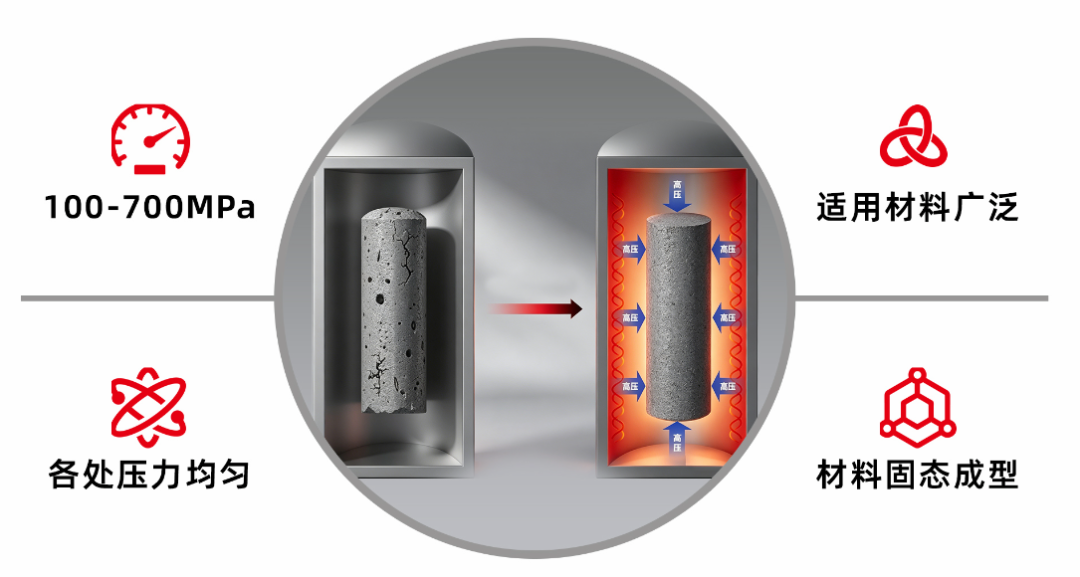
Warm Isostatic Pressing (WIP) densifies materials through the simultaneous application of temperature and pressure.
Compared to Cold Isostatic Pressing (CIP), WIP achieves higher density at lower pressures and boosts forming efficiency by over 30%. Compared to Hot Isostatic Pressing (HIP), it eliminates the need for ultra-high-temperature conditions, reducing energy consumption by more than 60% and significantly lowering both equipment investment and production costs; furthermore, it avoids issues such as material phase transitions and compositional volatilization caused by high temperatures, making it the optimal choice for the precision forming of high-end new materials.
The primary workflow for the ultra-high-pressure warm isostatic pressing process involves encapsulation and sealing, heating, pressurization, a holding phase, depressurization, and cooling. In terms of the process, the material is first encapsulated and loaded into the preheated equipment; a fluid medium is then injected and pressurized to ensure uniform pressure transmission and the compaction of the internal powder. Following the holding phase, the pressure is released and the component is removed, yielding a highly dense molded body suitable for precision manufacturing applications such as batteries and ceramics. While the equipment requires heating and cooling cycles before and after operation, these temperature adjustments are not necessary between individual cycles during continuous production.
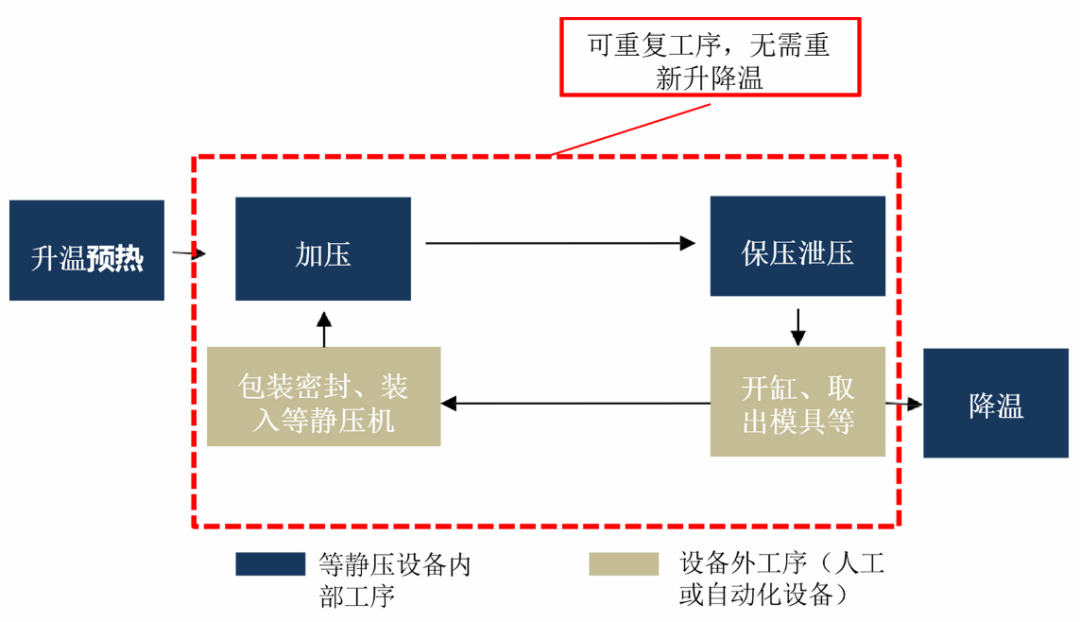
Process Flowchart for Ultra-High-Pressure Warm Isostatic Pressing
From structural simulation and fluid-thermal field modeling to the integrated optimization of the entire system, Litong Technology has achieved 100% independent R&D and design for core components, control algorithms, and process systems, thereby eliminating reliance on external technologies. The company enables customized, iterative development tailored to the material characteristics of various sectors—such as solid-state batteries and electronic ceramics—and continues to lead the domestic production and high-end upgrading of warm isostatic pressing equipment.
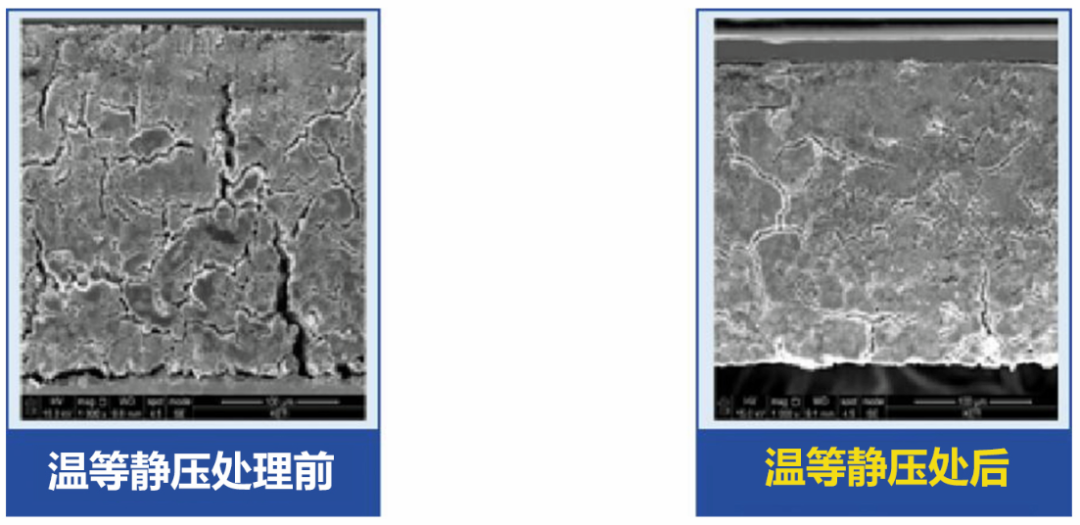
(Uniform omnidirectional pressure application): Comparison chart of pressure uniformity or comparison of the green body before and after densification.
Technical Advantages and Applications of Litong’s Warm Isostatic Pressing (WIP) Equipment
Through continuous technical innovation in areas such as precise temperature control efficiency (forced medium circulation for heat exchange and micro-channel temperature homogenization technology), pressure uniformity (simulation-optimized flow fields for omnidirectional static pressure transmission), energy recovery (waste heat recycling and residual pressure energy storage systems), and safety-oriented structural design (double-layer inner/outer cylinder shrink-fitting combined with prestressed steel wire winding and vertical frames, as well as multiple interlocking safety mechanisms), the company is dedicated to providing customers with comprehensive Warm Isostatic Pressing solutions that are highly efficient, energy-saving, stable, precise, safe, and reliable.
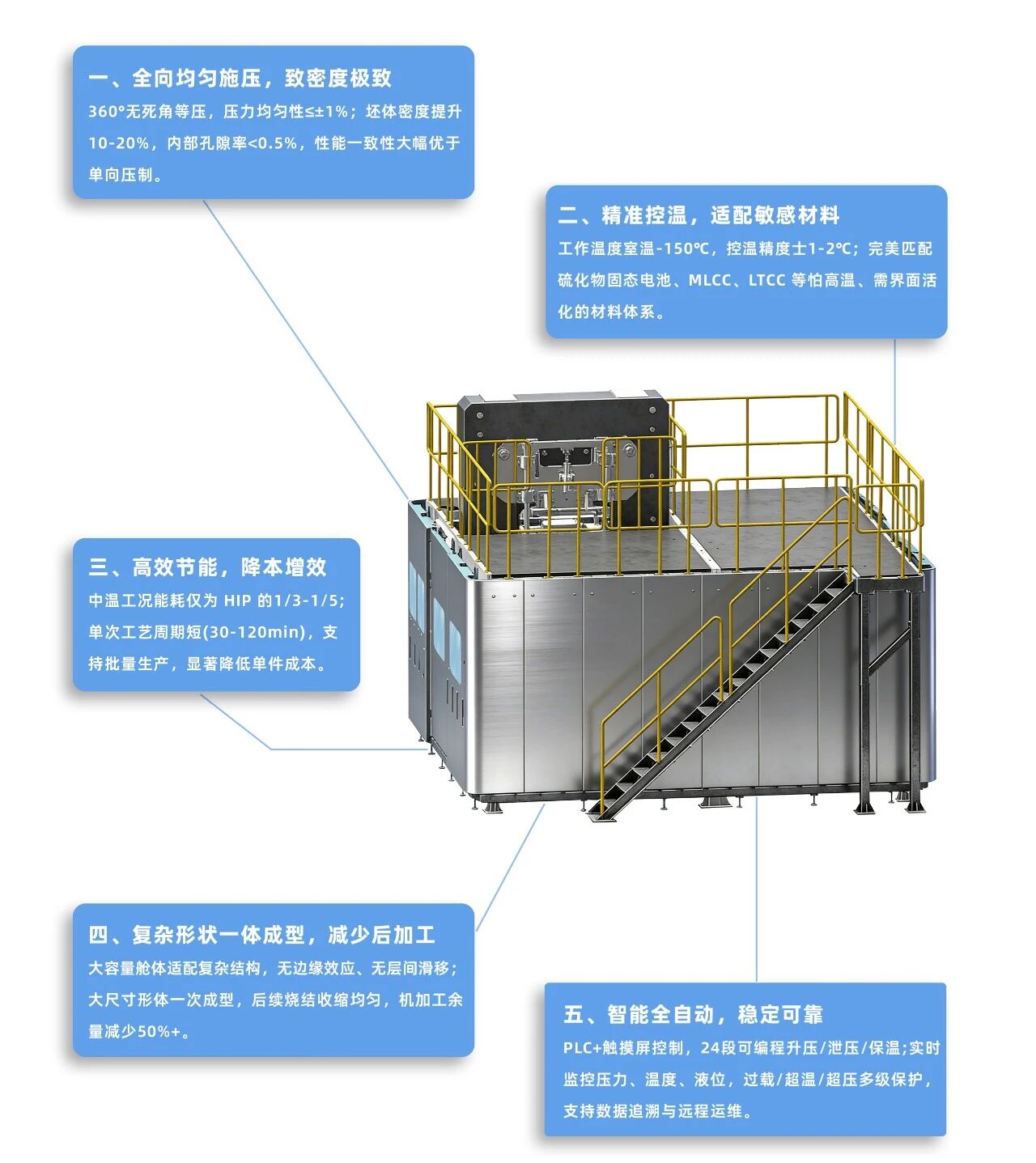
These proprietary core technologies play a pivotal supporting role and hold significant practical importance for enhancing material density and product consistency, reducing production energy consumption and O&M costs, increasing equipment utilization rates, and driving the green, low-carbon manufacturing upgrade of the new materials industry.
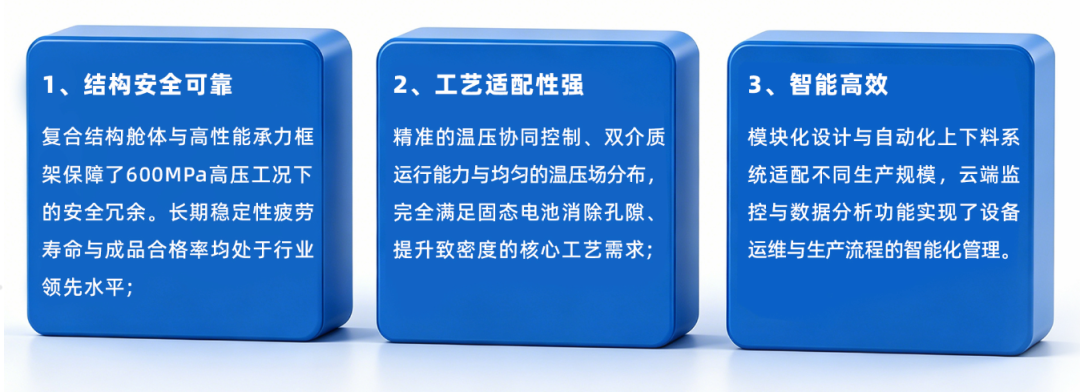
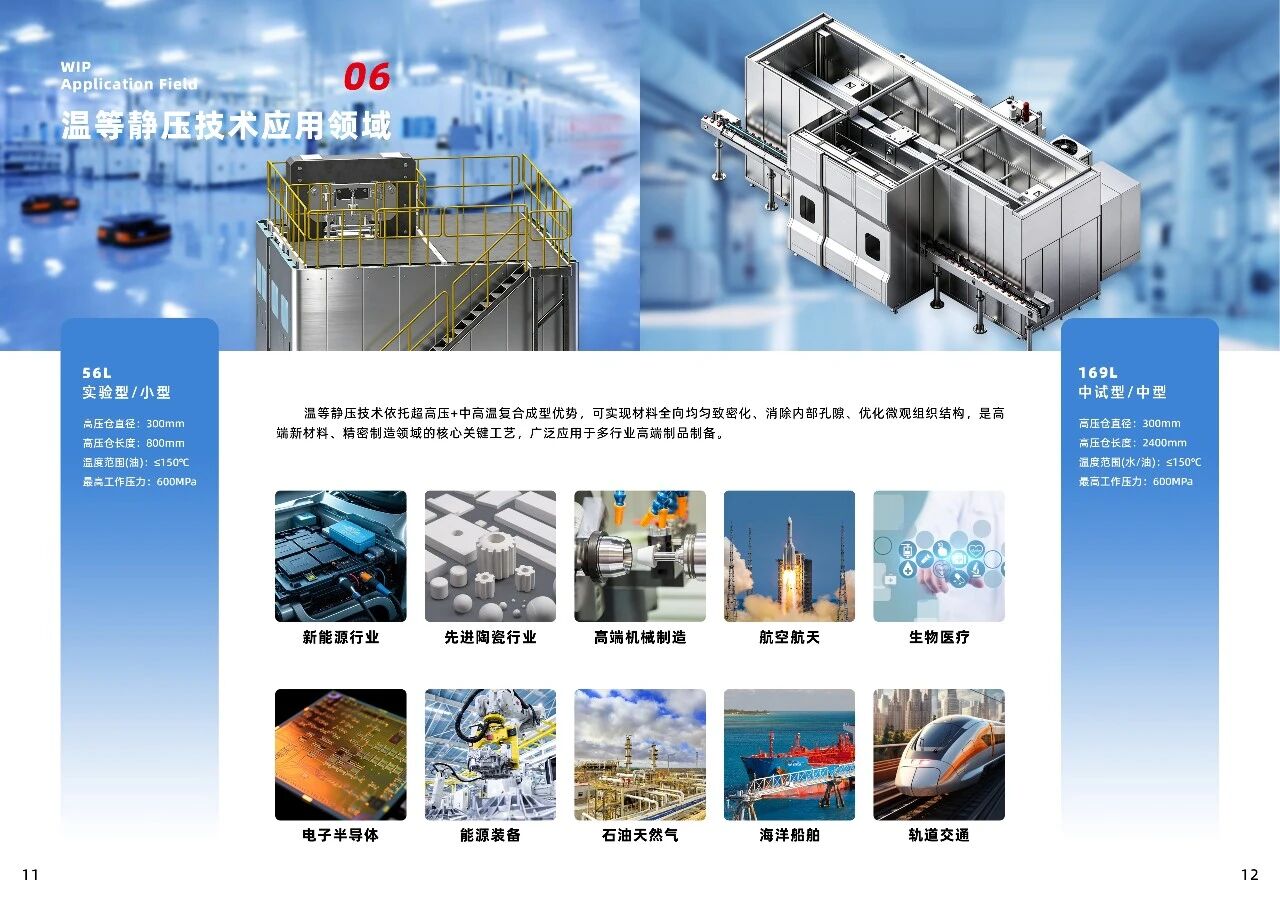
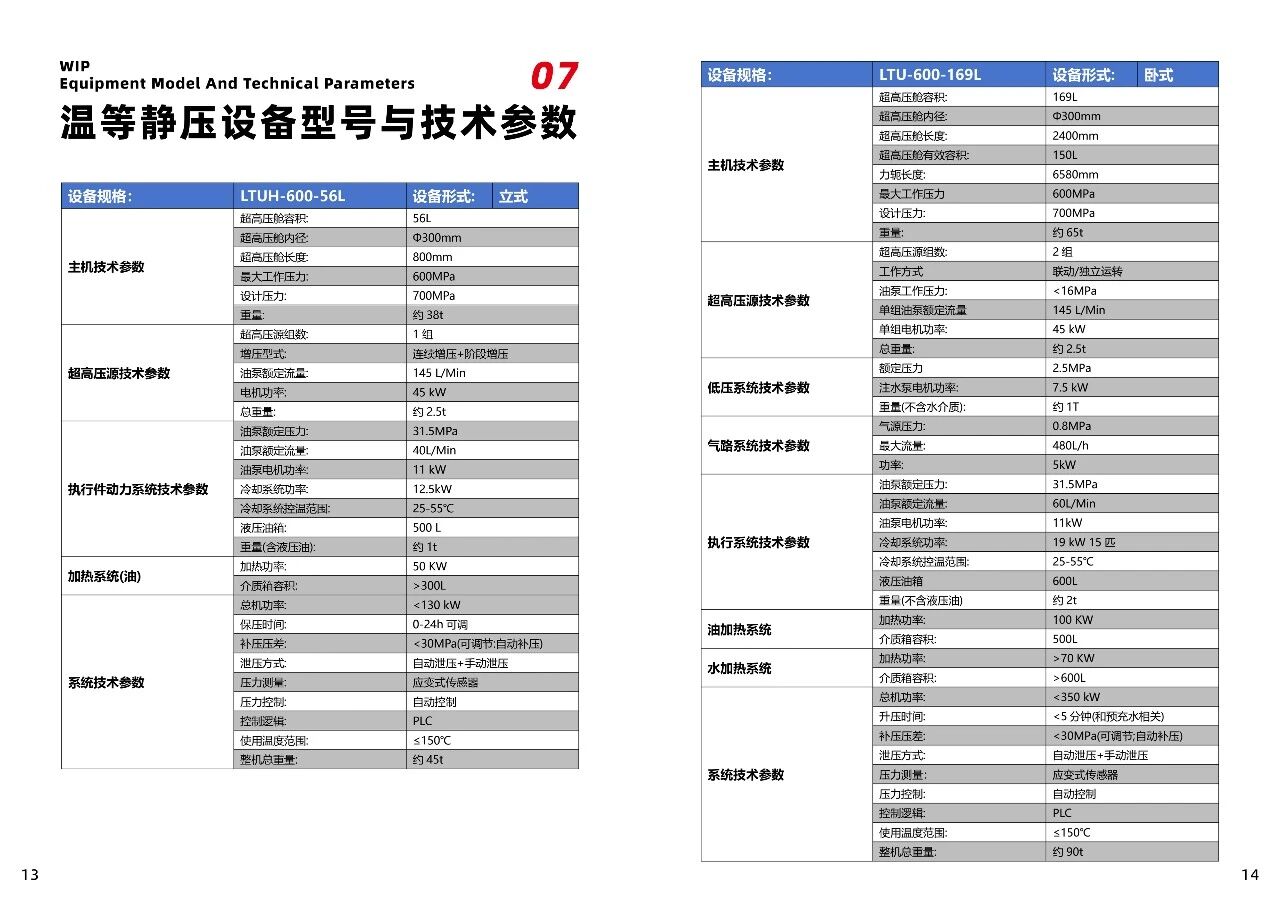
The equipment fully complies with international standards such as ASME and IEC; it achieves world-class levels in key performance metrics while offering cost advantages and rapid customization capabilities. Capable of effectively replacing imported equipment, it provides domestic solid-state battery enterprises with cost-effective production solutions, thereby facilitating the large-scale industrialization of solid-state batteries.
Introduction to Litong Technology
Established in 2003, Litong Technology has deeply cultivated the field of ultra-high-pressure fluid innovation and application. The company operates across four core business segments—polymer materials, fluid power transmission, equipment manufacturing, and equipment application—and has established a comprehensive industry-wide technical service system. It provides integrated solutions for nine major sectors, including shale oil and gas, hydraulics, nuclear power, hydrogen refueling, data center liquid cooling, municipal pipeline networks, and ultra-high-pressure food sterilization.
The company is recognized as a national-level "Little Giant" enterprise (specializing in niche markets with cutting-edge technologies), a High-Tech Enterprise, and a Green Factory; it is also a "Single Champion" manufacturer in Henan Province and ranks among China's top ten hose enterprises. It successfully listed on the Beijing Stock Exchange in 2021 (Stock Code: 920225) and maintains a leading position in the industry.
Leveraging its four business segments, the company has built a competitive advantage across the entire ultra-high-pressure fluid industry chain: the polymer materials division focuses on high-performance specialty rubber and plastic materials; the fluid power transmission division specializes in high- and low-pressure hoses, fittings, and assemblies designed for high-end applications such as construction machinery, oil drilling, and liquid cooling; the equipment manufacturing division features HPP ultra-high-pressure food sterilization equipment; and the equipment application division provides engineering services such as contract food sterilization and municipal pipeline clearing and demolition. Its products are widely used in sectors including energy and nuclear power, rail transit, green food, and municipal engineering.
The company boasts robust R&D capabilities, featuring a CNAS-accredited national laboratory and an R&D structure comprising "one institute and four centers," alongside a jointly established innovation platform with the Central Plains Food Laboratory. It holds a comprehensive suite of system certifications—including ISO9001, IATF16949, and API Q1—as well as numerous international product certifications such as MA, MSHA, API, ABS, DNV, and CE, fully meeting market access standards for high-end sectors both domestically and internationally.
Upholding core values of customer-centricity, respect for employees, and reverence for its products, the company prioritizes innovation-led and altruistic growth. It focuses on the R&D of new materials, equipment, and technologies, striving to build an enterprise characterized by sustainability, innovation, digitalization, and employee well-being, while empowering industries and serving the public through fluid technology.
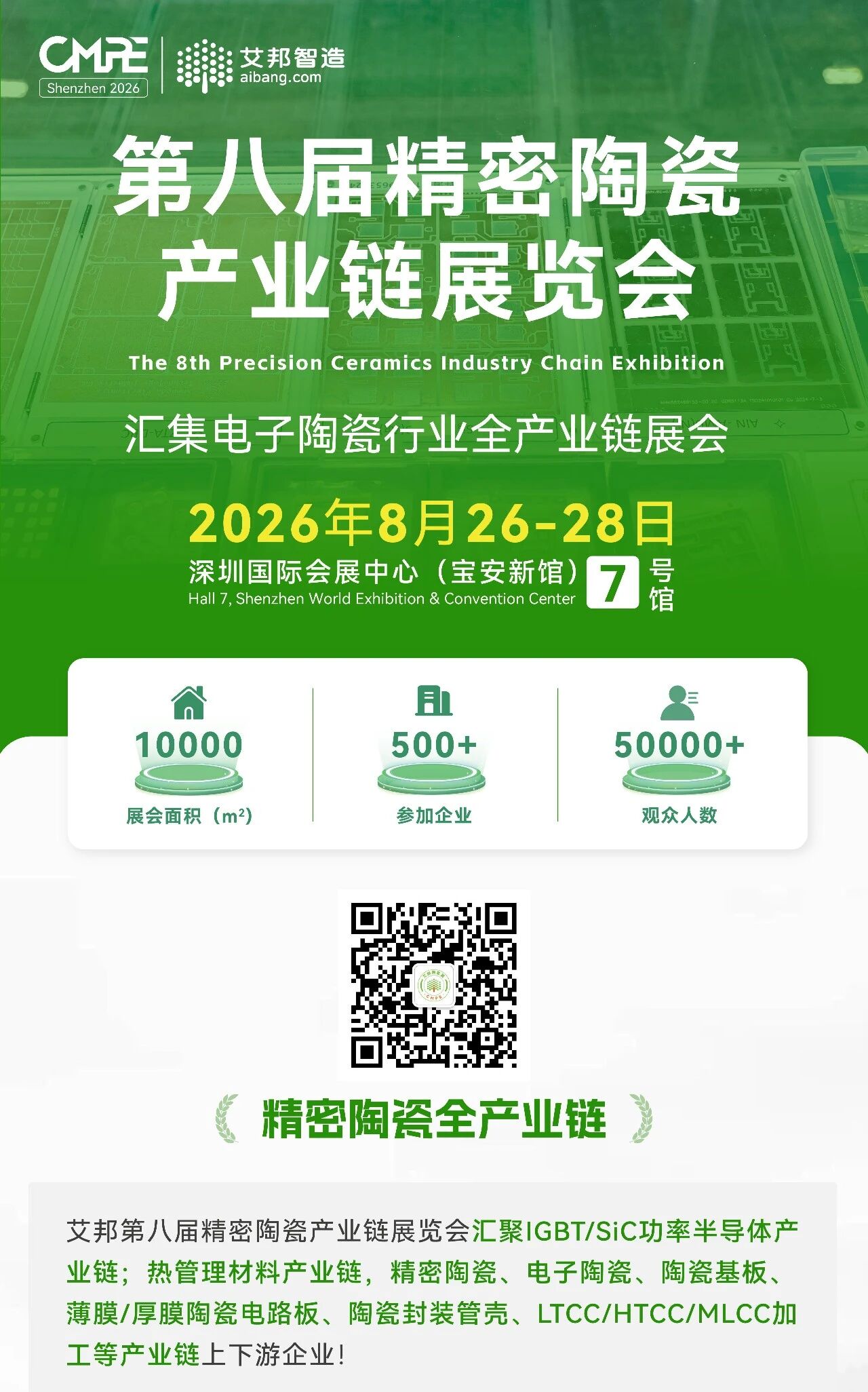
From August 26 to 28, Henan Litong Ultra-High Pressure Equipment Co., Ltd. will participate in the 8th Aibang Precision Ceramics Industry Chain Exhibition (Booth No. F33). We warmly invite industry colleagues to visit us and exchange ideas.
Recommended Event 1: The 8th Aibang Precision Ceramics Industry Chain Exhibition [August 26–28, 2026 | Hall 7, Shenzhen World Exhibition & Convention Center (Bao'an New Venue)]
Booth Booking
Ms. Li: 18823755657 (WeChat ID)
Ms. Wen: 18126443075 (WeChat ID)
Email: lirongrong@aibang.com
Scan the QR code to add us on WeChat and inquire about exhibition details.

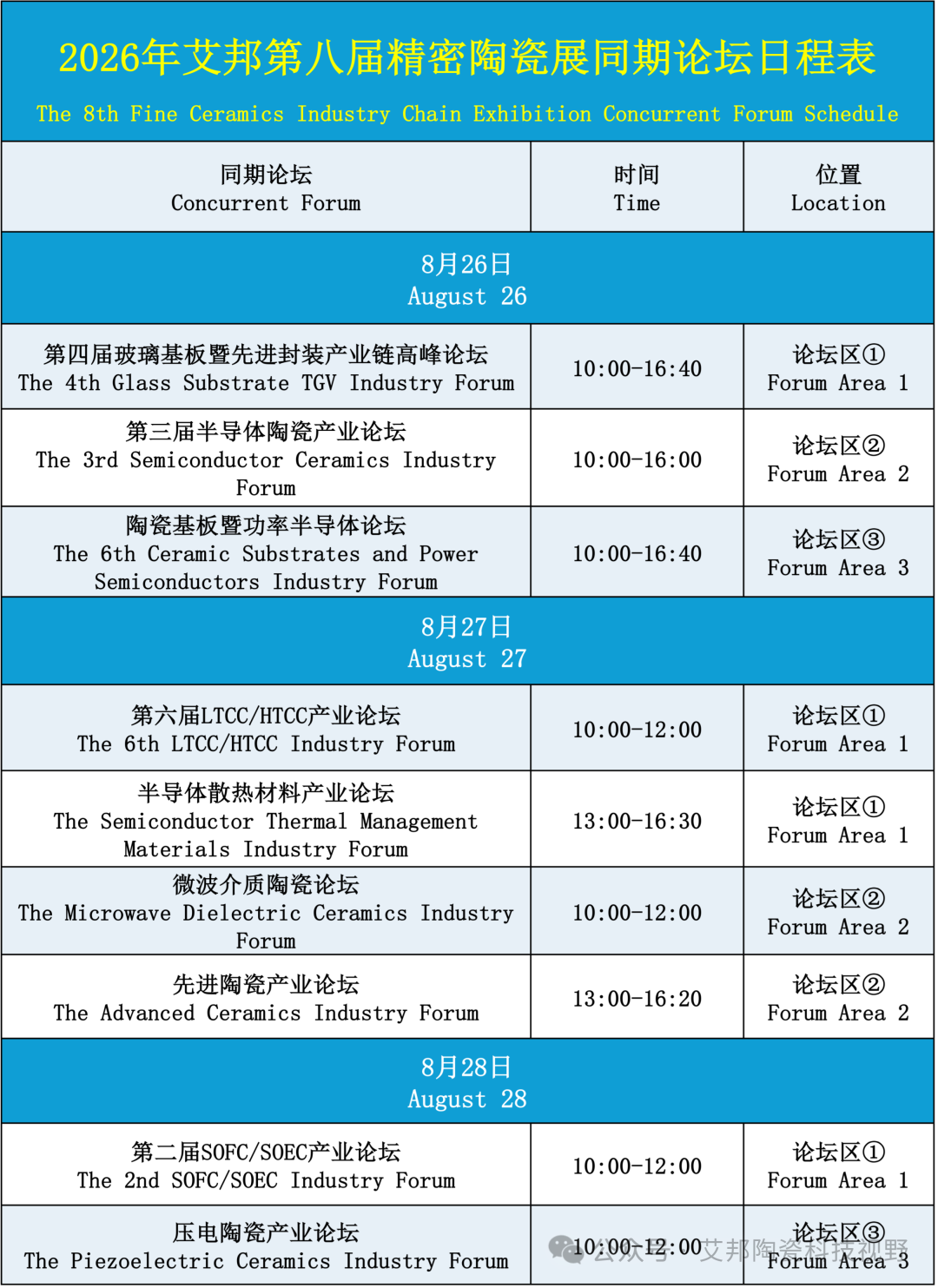
Recommended Event 2: 10 Concurrent Forums
How to register as an attendee:

Scan the QR code or copy the link to register.